
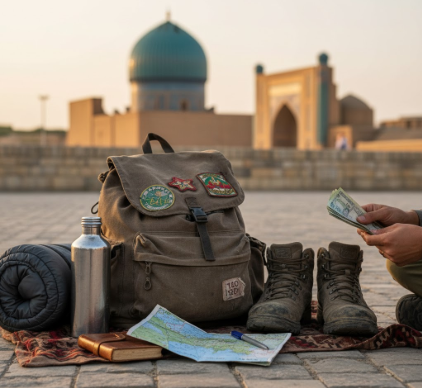
I used to think budget travel meant sacrificing comfort entirely, but Uzbekistan changed that assumption pretty quickly.
Why Your Dollar Stretches Further in Central Asia’s Hidden Gem
The thing about Uzbekistan is that it operates on a parallel economic universe compared to Western destinations—a decent guesthouse in Samarkand runs maybe $15 per night, sometimes less if you’re willing to negotiate or book directly instead of through platforms that take their cut. I’ve seen travelers spend more on a single airport sandwich in London than an entire day’s meals in Bukhara, where plov (the national rice dish loaded with lamb and carrots) costs roughly 15,000 som at local spots, which converts to about $1.20, give or take depending on exchange rates that week. The Uzbek government has been pushing tourism hard since around 2016 or 2017, abolishing visa requirements for dozens of countries and suddenly making it absurdly easy to visit a place that used to require paperwork nightmares. Street food vendors sell samsa (flaky meat pastries) for pocket change, and honestly, they taste better than the stuff you’d pay ten times more for in touristy restaurants anyway. Wait—maybe I’m overselling this, but the affordability genuinely shocked me when I first calculated my daily spending there, coming in under $30 including accommodation, food, and local transport. The som’s value against major currencies means your budget goes further than almost anywhere else I’ve traveled, and I’ve hit Southeast Asia pretty hard.
Navigating Accommodation Without Burning Through Your Travel Fund
Guesthouses are the secret weapon here, not hotels. Family-run places in Khiva, Bukhank—sorry, Bukhara—and smaller towns offer rooms with breakfast for $10-20, and the hosts usually know exactly which marshrutkas (shared minivans) you need and what you should actually pay for them. Booking.com works fine, but walking into neighborhoods near the old city centers and just asking around sometimes yields better deals, especially if you’re staying multiple nights. Homestays through platforms like Airbnb exist but aren’t always necessary since guesthouses already feel personal and authentic.
Getting Around Uzbekistan on Local Transport Schedules and Shoestring Budgets
The train system is surprisingly functional—high-speed rail between Tashkent and Samarkand takes about two hours and costs maybe $10-15 for economy class, which isn’t uncomfortable at all despite what you might expect from Central Asian infrastructure. Shared taxis (another marshrutka situation) connect smaller cities for a few dollars per person, though they only leave when full, which can mean waiting anywhere from ten minutes to an hour depending on your luck and the route’s popularity. I guess it builds character or something. Anyway, domestic flights exist but defeat the budget purpose unless you’re really pressed for time. Metros in Tashkent cost basically nothing—like 1,400 som per ride, under ten cents—and they’re weirdly beautiful, built during Soviet times with chandeliers and marble because authoritarian regimes apparently loved ornate subway stations. Buses work for intracity stuff but require some Russian or Uzbek language skills since English isn’t common outside major tourist zones, turns out.
Eating Like Locals While Avoiding Tourist Trap Pricing Schemes
Here’s the thing: if you see a menu in English with photos, you’re probably paying double what locals pay at the spot three blocks away with Cyrillic-only signage and plastic chairs. Markets sell fresh bread (non) for maybe 1,000 som, fruit vendors charge by the kilo at prices that seem almost fictional compared to Western supermarkets, and you can assemble picnic lunches for under two dollars easily. Chaikhanas (teahouses) serve lagman (hand-pulled noodles in soup) and shashlik (grilled meat skewers) at prices that make you double-check the currency conversion because it feels like something’s wrong with the math. I’ve definately spent more on coffee in Brooklyn than entire meals there. Street vendors around Registan Square in Samarkand charge tourist rates but still remain reasonable—maybe $3-5 for dishes that would cost $15-20 with similar presentation elsewhere. Bottled water is cheap everywhere, though tap water isn’t reccommended for foreign stomachs unless you enjoy risk.
Timing Your Visit to Maximize Value and Minimize Crowd Competition
Shoulder seasons—April to early June, then September to November—offer the best combination of weather and pricing, since summer hits 40+ degrees Celsius in some regions and winter can get surprisingly cold despite assumptions about desert climates. Hotels drop rates outside peak tourist months, and you’ll actually be able to photograph the tile work at Shah-i-Zinda without seventeen people in every frame. I used to think traveling in off-peak times meant missing out on experiences, but in Uzbekistan it mostly means missing out on tour groups and inflated prices while still getting the same architectural marvels and cultural interactions. Wait—maybe spring is slightly better than fall because everything’s greener after winter rains, but honestly both work fine depending on your temperature tolerance. Some guesthouses close in deep winter (December-February) in smaller towns, so verify availability if you’re planning cold-weather trips, though Tashkent and major cities stay open year-round with heating that ranges from adequate to struggling.







