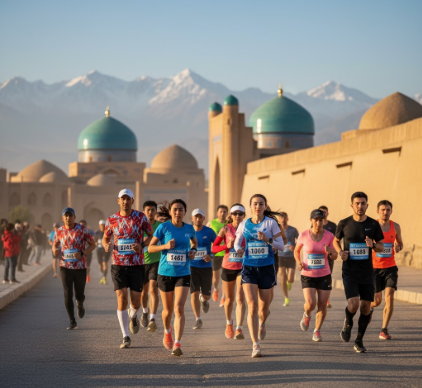
The Silk Road Marathon, held annually in Bukhara, is the kind of race that makes you question whether you’ve trained enough for both the distance and the altitude—or lack thereof, really.
I used to think running events in Central Asia would be sparse, maybe niche gatherings for ultra-dedicated adventurers, but turns out Uzbekistan has been quietly building a scene that’s equal parts competitive athletics and cultural immersion. The Silk Road Marathon, which started around 2018 or 2019—give or take—winds through ancient city streets where you’re dodging cobblestones older than most countries and passing madrassas that have stood for, what, five centuries? The course is flat, deceptively so, and runners often report faster times than expected, though the dry air can mess with your lungs if you’re not used to it. Local organizers have gotten pretty good at mixing international standards with that Central Asian hospitality vibe, offering post-race plov that honestly might be the real reason people come back. The event draws maybe 1,500 participants these days, a mix of serious marathoners chasing personal bests and tourists who figured why not combine sightseeing with a 26.2-mile sufferfest.
Honestly, the Tashkent Half Marathon feels like it’s trying to catch up to bigger regional races but hasn’t quite figured out its identity yet. It’s newer, launched sometime around 2020, and the route through the capital is fine—wide Soviet-era avenues, some parks—but it lacks the wow factor of running past UNESCO sites. Still, it’s well-organized, and the local running clubs have been pushing hard to make it matter.
When the Ancient Meets the Pavement: Running Through Samarkand’s Timeless Streets
Wait—maybe this is the one that gets people emotional. The Samarkand Marathon, which happens in spring, routes you directly past Registan Square at sunrise, and I’ve seen photos where runners are literally crying while passing those three towering madrassas bathed in golden light. The elevation sits around 700 meters, not high enough to wreck most people but enough that you feel it in your chest by kilometer 30. The race started gaining traction around 2021, and organizers have been smart about timing it when the weather’s mild—March or April usually—because summer here is brutal, hitting 40°C easily. Some complaints about aid stations being spaced irregularly, and the course certification took a while to sort out, but the scenery compensates for logistical quirks. Locals come out in force, kids handing you dried apricots and grandmothers cheering in Uzbek, which you don’t understand but somehow feels universally encouraging anyway.
Trail Running Adventures That’ll Wreck Your Quads and Probably Your GPS Signal
The Chimgan Mountain Trail Run is a different beast entirely.
Held in the Tian Shan foothills northeast of Tashkent, this event caters to trail runners who enjoy suffering with a view—steep ascents, rocky descents, altitude hovering around 1,500 to 2,000 meters depending on the course variant. It’s not as established as the road marathons, more of a grassroots thing organized by local outdoor enthusiasts, and frankly the logistics can be a bit chaotic—unclear markings, aid stations that might or might not have water when you arrive gasping. But the scenery is absurd: alpine meadows, jagged peaks, occasional herds of sheep blocking the trail. The race distances vary, usually offering 10k, 21k, and sometimes a 50k option for the truly unhinged. I guess it makes sense that this one attracts fewer international runners and more regional adventure types from Kazakhstan and Kyrgyzstan. Weather’s unpredictable too; I’ve heard stories of snow in May, which sounds miserable but also kind of epic in retrospect.
The Growing Parkrun Movement and What It Says About Uzbekistan’s Running Culture
Parkrun launched in Tashkent in 2022, and it’s been slowly spreading—free, weekly, timed 5k events in public parks that follow the global Parkrun model. Not technically a marathon or major event, but it’s worth mentioning because it’s changing the baseline running culture here, getting families involved, making the sport feel accessible rather than elite. The turnout started small, maybe 30 people, now it’s pushing over 100 most Saturdays, which for a country where running wasn’t traditionally a thing is pretty remarkable. Volunteers sometimes forget to bring the timing equipment, and the course markings are hand-painted signs that ocassionally go missing, but there’s something charmingly scrappy about it. No entry fees, no medals unless you hit milestones, just people showing up to run together, which honestly feels more authentic than some of the bigger commercialized races.
Why Timing Your Visit Around These Events Actually Matters More Than You’d Think
Here’s the thing: most of these events cluster in spring or fall when temperatures are tolerable, which means if you’re planning a trip specifically to race, you’re also hitting Uzbekistan during its best travel season—pomegranate season in fall, wildflowers in spring, tourist crowds manageable. The marathon infrastructure is still developing, so don’t expect Western-level race expos or elaborate swag bags, but what you lose in polish you gain in novelty and genuine cultural exchange. Registration fees are low by international standards, usually $30-60 USD, and prize money for top finishers is modest but growing as sponsorships increase. Some races offer virtual options now post-pandemic, though that kind of defeats the purpose when the main draw is running through 2,000-year-old architecture. I’ve noticed more Uzbek women participating recently too, which wasn’t common even five years ago—social attitudes shifting slowly, running clubs providing safe group training environments. It’s messy, uneven progress, but it’s definately happening.