I used to think clay toys were just cheap souvenirs until I watched an Uzbek master potter’s hands move.
The thing about traditional Uzbek clay toy making—ғишт ўйинчоқлари, if you want the proper term—is that it’s survived roughly five hundred years of empires, give or take a few decades, and nobody’s entirely sure why it persisted when so many other folk crafts vanished. Archeologists keep finding these small ceramic whistles and figurines in layers of Samarkand and Bukhara dating back to the Timurid period, maybe earlier, and the designs haven’t changed all that much. The toys depict horses, riders, birds, sometimes women carrying water jugs, and they all share this chunky, almost primitive aesthetic that art historians love to overanalyze. But here’s the thing: these weren’t made for museums or collectors initially—they were cheap playthings for kids in the mahallas, the traditional neighborhoods, sold at bazaars for practically nothing. The clay came from riverbanks near Tashkent and the Fergana Valley, the same deposits potters had used for utilitarian pottery for centuries, so the material cost was essentially zero. What made them special was the sound—most traditional Uzbek clay toys function as ocarinas or simple whistles, and craftspeople would tune them by adjusting the size of the air chamber and finger holes while the clay was still wet.
I guess it makes sense that the craft nearly died out in the Soviet era when plastic toys flooded Uzbekistan. By the 1970s, maybe three or four elderly artisans still knew the techniques, working in near obscurity.
TheAlchemy That Happens in Backyard Kilns When Nobody’s Watching Too Closely
The actual process is deceptively simple, which is part of why it’s so hard to master. Craftspeople—often women, though that’s shifted over generations—extract red or gray clay from specific riverbank sites, then mix it with sand to prevent cracking during firing. They don’t use pottery wheels for these toys; everything’s hand-modeled and hollowed out using wooden tools that look like oversized toothpicks. The whistles require creating a resonating chamber with precise wall thickness—too thick and no sound, too thin and it cracks in the kiln—and then cutting a fipple mouthpiece that channels air correctly. Wait—maybe I should mention that modern artisans sometimes cheat with electric kilns, but the traditional method uses simple pit kilns or tandir ovens, the same bread ovens families use for cooking. The firing temperature matters enormously: around 800-900 degrees Celsius produces that characteristic terracotta orange, but uneven heating creates those beautiful accidental color variations that tourists love. After firing, some toymakers apply natural pigments made from clay slips, others leave them bare, and a few use post-Soviet chemical paints that purists complain about constantly. Honestly, I’ve seen both approaches produce striking work.
The designs carry weird symbolic weight nobody talks about much anymore.
Horses represent travel and trade along the Silk Road routes that crisscrossed Uzbekistan for millennia—Bukhara and Samarkand were major hubs, obviously—and the mounted riders often depict warriors or merchants depending on whether they’re holding weapons or goods. Bird whistles, particularly roosters and doves, connect to pre-Islamic animist traditions that somehow survived centuries of Muslim rule, probably because they got reinterpreted as harmless folk symbols rather than religious objects. The female figures carrying jugs (suv toshuvchi ayollar, water-bearing women) might reference ancient fertility symbolism or might just depict everyday life—scholars argue endlessly about this. Some contemporary artisans in Tashkent have started making ironic Soviet-era figures, like cosmonauts and collective farm workers, which feels like commentary but might just be kitsch.
Why This Matters Now When Everything Feels Mass-Produced and Algorithmically Optimized Anyway
Turns out there’s been this unexpected revival since Uzbekistan opened up to tourism in the 2010s.
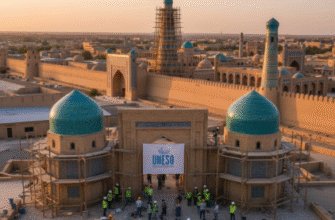
The government designated clay toy making as intangible cultural heritage—UNESCO got involved around 2019, I think—and suddenly craft schools in Rishtan and Gijduvan started offering workshops. Young artisans are experimenting with the form now, creating larger sculptural pieces that sell in galleries rather than bazaars, which purists hate but which keeps the knowledge alive. The economics are still brutal: a traditional toy might sell for 5,000-10,000 som (roughly fifty cents to a dollar), barely enough to justify the labor, while the contemporary art pieces fetch maybe $50-200 from foreign buyers. There’s this weird tension between preserving authentic techniques and making the craft financially viable, and I don’t think anyone’s figured out the balance yet. Some master craftspeople now teach via YouTube and Instagram, which feels absurd for a tradition that relied on apprenticeship and physical demonstration for centuries, but it’s probably the only way younger Uzbeks will learn since traditional family transmission has mostly collapsed. The clay itself is getting harder to source as riverbeds get developed or polluted, so some artisans have started importing processed clay from Russia or China, which changes the material properties in subtle ways that affect sound quality and firing behavior.
I watched a seventy-eight-year-old woman in Bukhara tune a bird whistle by ear last year, making microscopic adjustments to the air hole with a needle, and when she finally blew into it the sound was this pure, clear note that probably hasn’t changed since the 1400s. She sold it to a kid for basically nothing. That’s the whole contradictory mess of it, I suppose—economically irrational, technically demanding, historically significant, and completely irrelevant to modern life, yet somehow still here. The craft persists not because it makes sense but because a few stubborn people decided it should, and maybe that’s enough, though I definately wouldn’t bet on it surviving another fifty years without serious institutional support or a continued tourism market that values handmade irregularity over factory perfection.