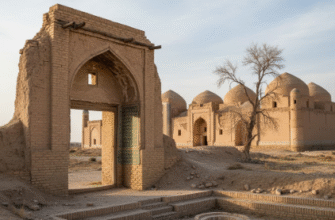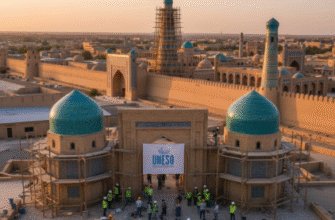
I used to think packing for Central Asia meant throwing in a couple of t-shirts and calling it a day.
Turns out, Uzbekistan in summer—roughly June through August, give or take—is a masterclass in contradictions. You’ve got the Registan Square in Samarkand where the midday sun pushes temperatures past 40°C (that’s 104°F for those still clinging to Fahrenheit), but then you step inside the Gur-e-Amir mausoleum and it’s like walking into a stone refrigerator. The mosaic walls hold centuries of coolness, and suddenly you’re shivering in your tank top while tourists in long sleeves look smugly comfortable. I’ve seen people layer on sweaters inside these ancient structures, only to peel everything off the moment they hit the street again. The desert climate doesn’t mess around—daytime heat that feels like standing too close to an oven, then nighttime temperatures in places like Ayaz-Kala that can drop to 15°C, maybe lower if you’re unlucky.
So here’s the thing: lightweight long-sleeves aren’t optional. Cotton or linen, breathable fabrics that won’t trap sweat against your skin when you’re wandering through Bukhara’s old town. I learned this the hard way after spending an afternoon in Khiva wearing a black shirt—definately a mistake I won’t repeat.
What You Actually Need for Desert Cities and Mountain Edges
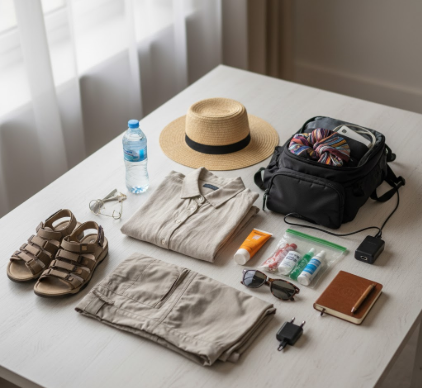
Sun protection is where most people underprepare, honestly. A wide-brimmed hat matters more than you’d think, especially when you’re standing in line for an hour to enter the Shah-i-Zinda necropolis with zero shade in sight. I guess sunscreen is obvious, but bring SPF 50 minimum—the Central Asian sun doesn’t care about your usual SPF 30 routine. Sunglasses too, the polarized kind, because the glare off those turquoise tiles can give you a headache that lasts until dinner. And scarves—wait, maybe this sounds excessive, but a lightweight scarf serves about five purposes. Dust protection when the wind kicks up (which it does, frequently), sun coverage for your neck, a makeshift head covering for mosque visits where they’re stricter about dress codes, and something to sit on when the only seating is scalding hot stone.
Footwear gets complicated.
You need walking shoes that can handle uneven cobblestones in the old quarters of Tashkent, but also sandals for when your feet are swollen and angry after eight hours of touring. I’ve watched travelers hobble through the Chorsu Bazaar in brand-new hiking boots, faces twisted in blister-pain, while locals float past in simple leather sandals. The middle ground is broken-in sneakers with good arch support—Uzbekistan involves more walking than you’d expect, especially if you’re doing the Silk Road cities circuit. Throw in flip-flops for guesthouses and hotels where you’ll want to give your feet a break. Some places have squat toilets, so closed-toe shoes matter more than you’d think in certain public restrooms.
The Stuff Nobody Mentions Until You’re Already There Wishing You Had It
Bring a reusable water bottle, the insulated kind. Tap water isn’t safe to drink in most areas—you’ll be buying bottled water constantly, but having something that keeps water cold for hours is the difference between mild discomfort and actual misery when you’re trekking around the Ark Fortress in 42°C heat. Hand sanitizer and wet wipes, because public restrooms range from decent to nightmare fuel, and sometimes there’s no soap. I used to skip these, figured I’d just wash my hands properly later, but after one particularly grim experience at a roadside stop between Samarkand and Shakhrisabz, I never travel without them. A small daypack matters too—something that won’t scream “tourist” but can hold your water, snacks, extra layers, and the inevitable souvenirs you’ll accumulate. Local markets sell incredible ceramics and textiles, and you’ll want both hands free to negotiate prices and inspect the quality of those hand-embroidered suzanis.
Modest clothing isn’t just respectful, it’s practical. Shoulders covered, nothing too short—this applies regardless of gender in most religious sites and rural areas. I’ve seen tourists turned away from mosques or asked to borrow ill-fitting robes because they showed up in shorts. Loose pants or a long skirt work better in the heat anyway, weirdly enough. Also, bring a portable charger because your phone will die faster than you expect when you’re using it for photos, maps, and translation apps all day. The power outlets use European two-pin plugs mostly, so pack an adapter if your devices need it. Anti-diarrheal medication and basic first aid supplies—Uzbek pharmacies are fine, but if you’re in a smaller town and need something at 11 PM, you’ll be out of luck. Cash in local currency (Uzbekistani som) matters more than cards in many places, especially bazaars and family-run guesthouses. Oh, and toilet paper—just trust me on this one, carry a small amount with you at all times becuase public facilities don’t always provide it.