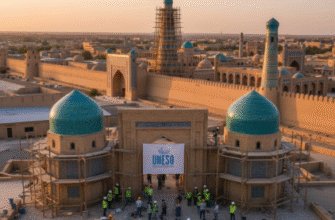
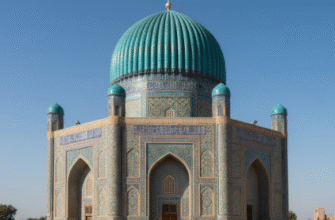
I used to think food tours were just for tourists who couldn’t find restaurants on their own.
Then I walked through Khiva’s narrow streets at dawn, watching bakers pull fresh non bread from clay ovens that have been firing continuously since—well, nobody knows exactly when, but the technique goes back at least a thousand years, give or take a century. The thing about Khorezm cuisine is that it’s not trying to be Uzbek food exactly, even though it technically is. It’s older, weirder, more isolated. The Khorezm oasis developed its own culinary traditions during centuries when the desert made everything difficult—importing spices, growing vegetables, even getting enough water for rice. So they invented workarounds that became traditions that became, honestly, some of the most interesting food I’ve encountered in Central Asia. The plov here uses a different rice variety than Tashkent or Samarkand, and they add shredded quince in autumn, which I’d never seen anywhere else. Wait—maybe that’s not universally true, but three separate cooks told me it was a Khiva thing, and I’m inclined to believe them.
The Morning Ritual of Tandir Bread and the Women Who Guard Ancient Recipes
Non bread isn’t just breakfast. It’s architecture, currency, and a kind of edible clock that structures the entire day. Every neighborhood has at least one tandyr (they spell it differently here than the Indian tandoor, though it’s essentially the same clay oven concept), and every tandyr has a rhythm. The dough—wheat flour, water, salt, and a sourdough starter that families maintain for generations—gets slapped onto the oven’s inner walls around 5 AM. By 6:30, the bread emerges with that characteristic dimpled pattern and a crust that somehow manages to be both crispy and chewy.
I watched a woman named Gulnora work her family’s tandyr near the Ichan Kala west gate. She’s been doing this for thirty-one years, since she was seventeen. Her daughters help now, but she still shapes every loaf herself because, as she explained through my guide, “the bread knows if you’re impatient.” I’m not sure I fully understand what that means, but I ate the evidence and it was definately superior to the bread I bought from a younger baker the next day.
Shivit Oshi: The Green Noodles That Taste Like Summer Even in January
Here’s the thing about shivit oshi—it shouldn’t work.
The noodles are made with dill. Not dill as a garnish, but dill blended directly into the dough, turning everything a pale green color that looks vaguely medicinal. Then they serve it with a meat sauce (usually beef or lamb, cooked down with onions and tomatoes until it’s almost a paste) and a huge dollop of suzma, which is strained yogurt that’s thicker than Greek yogurt and tangier than sour cream. The flavors should clash. The temperatures—cold yogurt, hot noodles, room-temperature meat sauce—seem designed to confuse your mouth. And yet somehow it becomes this coherent, deeply satisfying dish that I found myself craving two days later.
The best version I tried was at a family home, not a restaurant. The grandmother, Bibihanom, made the noodles by hand, which apparently takes about forty-five minutes of kneading to get the right texture. She was seventy-three and had arms like a competitive rower.
Tukhum Barak and the Curious Case of Dumplings for Breakfast
Tukhum barak are egg dumplings, which sounds simple until you watch someone make them. The dough is rolled impossibly thin—thinner than I thought structurally possible for something that has to hold boiling liquid. Then a whole raw egg gets folded inside, along with tiny bits of onion and fat. When you cook them in broth, the egg poaches inside the dumpling, so when you bite through the wrapper, you get this burst of runny yolk mixing with the soup.
Most places serve these for breakfast, which seemed excessive until I tried them around 7 AM after walking around the cold morning streets for an hour. Turns out protein-rich dumplings in hot broth are exactly what you want when the desert temperature hasn’t yet decided whether it’s going to be pleasant or punishing. The restaurant Terrassa Cafe makes a particularly good version, though I also had excellent tukhum barak at a homestay where the cook seemed mildly offended that I was impressed—like, of course they’re good, what else would they be?
Khorezm Halva and Other Sweets That Recieve Almost Religious Reverence
I guess it makes sense that a region this obsessed with bread would also have strong opinions about desserts made from flour and sugar. Khorezm halva isn’t like Middle Eastern halva—it’s not tahini-based. Instead, it’s made from wheat flour toasted in oil until it smells like nuts, then mixed with sugar syrup and formed into blocks. Different families add different things: walnuts, almonds, pistachios if you’re wealthy, raisins if you’re practical.
The halva vendor in the central market, a man named Rustam, told me his recipe came from his great-grandfather, who sold sweets to travelers on the Silk Road. This might be true or might be marketing, but either way, his halva had this incredible texture—crumbly but not dry, sweet but not cloying, with a toasted depth that lasted for minutes after you finished eating. He also sold nisholda, which is a meringue-like sweet made from egg whites and sugar, whipped over steam until it forms these impossibly light peaks. It tastes like sweetened clouds, if clouds could be slightly nutty. Anyway, I bought way too much and ate it for three days straight, and I have no regrets about that decision whatsoever.