Khiva hits different when you’re watching your wallet.
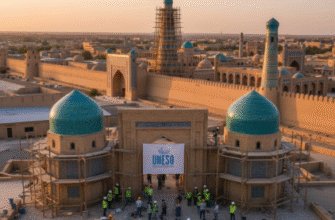
I used to think budget travel meant sacrificing everything that made a place special—the food, the experiences, the actual reason you dragged yourself halfway across the world. Then I spent two weeks in Khiva on roughly $25 a day, and honestly, I’ve never felt more immersed in a city’s rhythm. The thing about this Silk Road fortress town is that its best offerings weren’t designed for tourists with fat wallets—they were built for pilgrims, traders, and locals who needed bread more than they needed Instagram moments. The old city, Itchan Kala, charges about $15 for a multi-day pass to all the madrassas and minarets, which sounds steep until you realize you’re getting access to maybe 20 monuments, some dating back to the 10th century. I wandered through them over three days, sometimes alone in courtyards where the acoustics made my footsteps sound like someone else was following me. The Islam Khoja Minaret—striped in turquoise and cream like some kind of ancient candy cane—costs extra if you want to climb it, but the view from the city walls at sunset is free and, wait—maybe even better because you can see the whole minaret in context with the desert beyond.
Street Food Economics and the Art of Eating Well for Almost Nothing
Here’s the thing about Khivan cuisine: it doesn’t really exist as a separate entity from Uzbek food generally, but the local somsa stands near Kunya-Ark don’t seem to know they’re supposed to charge tourist prices. I ate lamb somsa—flaky, grease-dripping pastries that burned my tongue every single time—for about 50 cents each. Three of those plus a cup of green tea made lunch, and I’d spend the afternoon in a food coma wandering the maze of alleys between Tash Khovli Palace and the Juma Mosque with its 218 wooden columns, each one carved differently because apparently medieval craftsmen got bored easily too.
The plov at Terrassa Cafe definately isn’t the cheapest option—maybe $4 for a heaping plate—but I watched them make it in a cauldron the size of a small car, and the carrots had that sweetness that only comes from cooking in lamb fat for hours. Street vendors sell non bread for almost nothing, maybe 20 cents for a round still warm from the tandoor oven, and if you pair that with fresh tomatoes and cucumbers from the bazaar you’ve got breakfast sorted. I guess what surprised me most was how the absence of Western fast food franchises meant the budget options were just… real food that locals actually ate.
Guesthouses, Overnight Trains, and Why the Cheapest Bed Gave Me the Best Conversations
Forget hotels.
The guesthouses tucked into converted homes inside Itchan Kala run maybe $12-20 per night, and the families who operate them treat breakfast like a competitive sport—fresh bread, homemade jam, sometimes fried eggs with mystery herbs that tasted like summer smelled. My host, Rustam, spent an entire evening explaining the difference between Khivan and Bukharan architectural styles while chain-smoking on the terrace, and I learned more in two hours than I did from any guidebook. The shared bathrooms were spotless, which I honestly wasn’t expecting, and the courtyards—God, these courtyards with their carved wooden pillars and morning light filtering through grape vines—made me reconsider what luxury actually means. One night I splurged on a private room with air conditioning for $25 and immediately regretted it because I missed the rooftop where other travelers swapped stories about Turkmen visa nightmares and that one bus driver in Samarkand who apparently terrorized everyone.
Free Wandering, Expensive Nowhere, and the Unexpected Cost of Doing Nothing Right
Turns out the best parts of Khiva cost nothing but time and shoe leather.
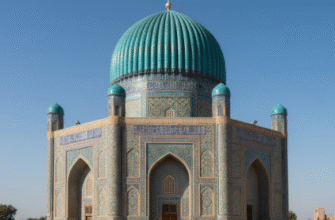
The city walls form a rough rectangle you can walk in maybe forty minutes, but I found myself doing loops at different times of day because the light changed everything—morning made the tilework glow blue, afternoon bleached everything to beige, evening turned the whole place amber and melancholy. Local kids play soccer in the empty spaces between monuments, and if you sit long enough on the steps of Kalta Minor—the stubby, unfinished minaret covered in turquoise tiles—they’ll eventually invite you to join, or at least laugh at your attempts. Photography here is free and inevitable; I watched a French couple spend three hours trying to capture the same doorway, adjusting for shadows, clearly irritated with each other in that way only travel partners get. Street performers near the West Gate work for tips but don’t hassle you, mostly older men playing traditional instruments that sound like sadness and celebration had a baby. I dropped a few thousand som in their buckets—maybe a dollar total—and felt like I’d paid for a concert. The museums inside the madrassas display carpets, weapons, carvings, musical instruments, but honestly the buildings themselves outshine the collections. Some were empty except for a bored custodian who seemed shocked anyone showed up. I spent maybe an hour in the Pakhlavan Mahmud Mausoleum just sitting, watching how the dome’s interior tilework created patterns that shifted as the sun moved, and nobody asked me to leave or buy anything. That kind of access—to beauty, to silence, to centuries—doesn’t scale with money here, which maybe explains why Khiva hasn’t been Disneyfied like other Silk Road stops.