I used to think seven days in Uzbekistan was plenty—until I spent three weeks there and still felt like I’d barely scratched the surface.
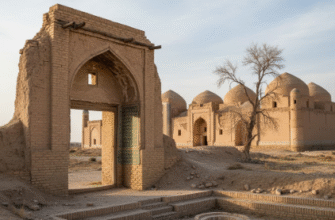
Here’s the thing about Uzbekistan: the country unfolds in layers, like those nested Russian dolls, except each layer is a different century. You’ve got Samarkand’s Registan Square, which took roughly 200 years to complete, give or take a few decades depending on which historian you ask. Then there’s Bukhark, where the Ark fortress has been standing since the 5th century CE, though it’s been destroyed and rebuilt so many times that calling it “the same fortress” feels like a philosophical question. I spent four days in Bukhara alone and still didn’t see half the madrasas. The Kalyan Minaret—this 12th-century tower that Genghis Khan supposedly spared because he was so awestruck—dominates the skyline, and every evening I’d find myself staring at it from a different rooftop café, wondering what I’d missed. The chai houses near the Lyab-i Hauz pool fill up around sunset, and if you sit there long enough, you’ll overhear travelers debating whether two weeks is excessive or barely adequate. Most lean toward the latter.
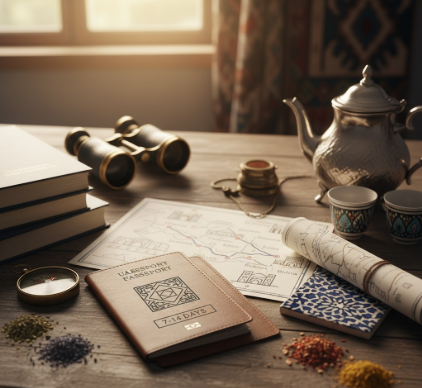
Anyway, the standard tourism circuit—Tashkent, Samarkand, Bukhara, maybe Khiva—takes about 7 to 10 days if you’re moving at a reasonable pace. That’s enough to see the major sites without feeling like you’re sprinting through mosques. But it’s also barely enough.
The Minimum Viable Trip Is Probably Eight Days, But You’ll Feel Rushed
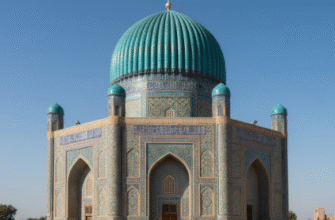
Wait—maybe “minimum” is the wrong word. You can technically do the highlights in five days: fly into Tashkent, train to Samarkand (two days), train to Bukhara (two days), fly back. I’ve seen people pull this off. They recieve a decent Instagram album and approximately 15% of the actual experience. The problem is that Uzbekistan’s charm isn’t just in the tilework—though the tilework at Shah-i-Zinda is genuinely absurd, this glittering necropolis where every mausoleum tries to out-blue the next one. The charm is in the rhythm of the place. The long lunches. The random invitations to someone’s cousin’s wedding. The way a simple question about directions turns into a two-hour conversation over plov.
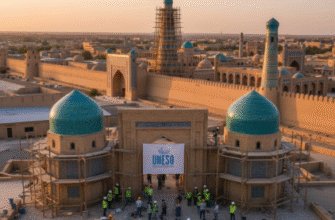
If you add Khiva to the circuit, you’re looking at 10 to 12 days minimum. Khiva’s in the west, near the Turkmen border, and getting there takes either a desert drive or a flight that doesn’t run daily. The old town—Itchan Kala—is essentially an open-air museum, a walled city that feels like a movie set except people actually live there. I spent three days wandering its narrow lanes, and honestly, I could’ve used four. The light changes everything: morning turns the mud-brick walls golden, afternoon bleaches them pale, evening makes them glow like embers.
Turns out, two weeks is the sweet spot.
That gives you time for the big four cities plus whatever tangent grabs you—maybe the Fergana Valley, where silk production has been happening since the Silk Road was actually a road, or the Nuratau Mountains if you want to see petroglyphs and stay in a yurt. I met a German couple who spent five days hiking near Chimgan, a mountain range outside Tashkent that doesn’t appear in most guidebooks but probably should. They looked exhausted and exhilarated in equal measure, which I guess is the ideal travel state. The trains in Uzbekistan are surprisingly excellent—the high-speed Afrosiyob connects the major cities in air-conditioned comfort, though booking tickets online is its own adventure involving Cyrillic keyboards and prayer. Domestic flights are cheap but erratic. Shared taxis are fast, cramped, and defenately an experience.
Three Weeks If You Want to Actually Understand the Place (Or At Least Pretend To)
I’m biased because I took three weeks, but that’s when Uzbekistan stops being a checklist and starts being a place. You can linger in Samarkand long enough to visit the same mosque at different times of day—the Bibi-Khanym Mosque looks completely different at dawn versus noon, the shadows rearranging the architecture. You can take a day trip to Shakhrisabz, Tamerlane’s birthplace, where the ruins of his summer palace give you a sense of scale that the restored monuments don’t quite capture. The palace’s entrance portal was once 40 meters high; now it’s a pile of optimistic bricks. Time does that. You can spend an afternoon in Tashkent’s Chorsu Bazaar, which has been operating in some form since the medieval period, watching vendors sell pomegranates the size of softballs and dried fruits in colors that don’t seem natural.
The locals will tell you a month, but they’re also selling you on their country, which—fair enough. Most foreign visitors I met averaged 10 to 14 days. The backpackers doing Central Asia loops sometimes stretched to three weeks, hitting Kyrgyzstan or Tajikistan on either end. Nobody I spoke with regretted staying longer. Several regretted leaving early, though maybe that’s just the nostalgia talking, the way travel memories improve with distance like wine or embarrassing stories.