I never thought I’d spend an afternoon obsessing over socks.
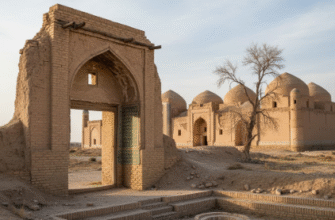
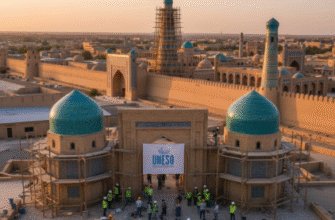
But here’s the thing—when you watch a master craftsman in Bukhara’s old quarter work a pair of needles with the same precision a surgeon uses for delicate tissue, you start to realize that calling these items “socks” feels almost insulting. The traditional knitting craft that’s survived in this Uzbek city for roughly 400 years, give or take a few decades depending on who you ask, represents something far more complex than footwear production. These artisans, many of them women working from cramped workshops that smell of lanolin and wood smoke, create pieces that blend geometric patterns inherited from Persian miniatures with a durability that makes modern athletic socks look like tissue paper. The wool comes from Karakul sheep raised in the surrounding desert, animals that have adapted to temperature swings of 40 degrees Celsius between day and night, and that resilience somehow transfers into every thread. I’ve seen socks from the 1950s still being worn by elderly men in the bazaar, the colors faded but the structure intact. It’s the kind of longevity that makes you question everything about planned obsolescence.
Wait—maybe I should back up. The technique itself uses needles that look deceptively simple, usually carved from apricot wood that’s been aged for years to prevent warping. The knitters work without patterns, holding the entire design in their heads like jazz musicians improvising over a familiar structure.
The Geometric Language That Nobody Bothers to Teach Anymore
Honestly, the pattern vocabulary is where things get complicated. Each motif has a name—”ram’s horn,” “almond eye,” “running water”—and specific meanings that trace back to pre-Islamic Zoroastrian symbolism, though most knitters today couldn’t tell you the original significance if you asked. The patterns serve practical purposes too: certain tight stitches around the ankle provide support that prevents the sock from slipping, while looser sections across the top of the foot allow for ventilation that’s critical when you’re walking through summer heat that regularly hits 45 degrees Celsius. A master knitter named Gulnora once showed me how she could adjust tension mid-row without thinking, her hands moving in rhythms she learned at age seven from her grandmother. She makes maybe three pairs a week, each taking roughly 20 hours of work, and sells them for prices that work out to less than minimum wage if you do the math. I guess it makes sense that younger people aren’t exactly lining up to learn the craft.
The colors come from natural dyes that require their own specialized knowledge. Madder root for reds, indigo for blues, walnut husks for browns—ingredients that sound simple until you realize each one needs specific mordants, water temperatures, and timing to produce consistent results.
Why Desert Sheep Wool Makes Everything Else Feel Like Polyester
The Karakul breed isn’t just hardy; their wool has a crimp pattern that creates tiny air pockets, turning each sock into a natural insulation system that works in both heat and cold. I used to think wool was just wool, that the fancy terminology was marketing nonsense, but after wearing a pair of these socks through a winter in Moscow and a summer in Tashkent, I definately changed my mind. The lanolin content stays high because traditional processing methods don’t strip it out the way industrial washing does, which means the fabric naturally repels moisture and resists bacterial growth—you can wear them for days without the smell issues that plague synthetic materials. Herders still use hand shears for the spring harvest, a slower method that preserves fiber length and prevents the damage that electric clippers can cause. The wool gets sorted by hand too, with different grades going to different products: the finest undercoat for baby socks, coarser outer fibers for work socks that need to withstand gravel and thorns.
Turns out there’s a whole grading system that takes years to learn.
The Economics of Keeping Dead Crafts Barely Alive Through Tourism
Here’s where the story gets messy and uncomfortable. The craft survives now primarily because of tourist markets and government cultural preservation programs that pay craftspeople small stipends to demonstrate techniques at festivals and museums. Actual local demand has collapsed—younger Uzbeks buy factory-made socks from Chinese suppliers that cost one-tenth the price and come in colors beyond the traditional palette of rust, indigo, and cream. A cooperative in the Gijduvan district tried setting up an export business to boutique stores in Europe and North America, marketing the socks as sustainable luxury items at $80 per pair, but logistics killed them: shipping costs, import duties, and the impossibility of scaling production without destroying the handmade authenticity that justified the price. One knitter told me, with the kind of tired resignation I recognize from watching family farms die in the American Midwest, that her daughter studied computer programming and now works for a telecom company in Tashkent. “She’s smart,” the woman said, “she won’t waste her life like me.” I didn’t know how to respond to that, didn’t know how to argue that preserving cultural heritage matters when the person preserving it can’t afford decent healthcare. The romantic notion of traditional crafts runs headfirst into the reality that people need to eat, that artistry doesn’t pay rent, and that we mostly only value these things once they’re gone.
Some cooperatives now teach the patterns to anyone willing to learn, regardless of family lineage, a break from tradition that purists hate but pragmatists see as the only survival path.