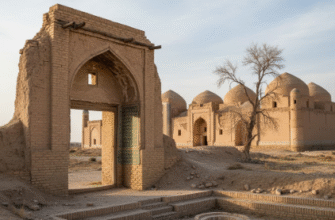
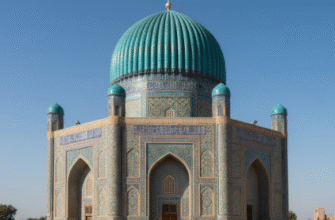
I’ve walked through a lot of restored historical sites, but there’s something about stepping into Bukhara’s caravanserais that hits different.
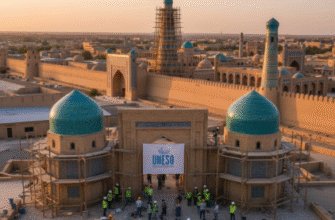
The thing about these merchant lodgings—and I mean the ones that actually survived centuries of earthquakes, conquests, and well-meaning Soviet renovations—is that they weren’t just ancient hotels. They were these sprawling architectural ecosystems where traders from Damascus would sleep next to guys hauling Chinese silk, where camels got stabled in courtyards that could fit maybe 200 animals, give or take, and where deals worth kingdoms were struck over tea that probably tasted like dirt. The restoration projects that started in earnest around 2018, funded partly by UNESCO and partly by Uzbekistan’s tourism ministry, have tried to preserve that chaotic energy, though honestly I’m not sure you can fully capture what it felt like when these places smelled like sweat and spices instead of fresh paint and tour groups.
What gets me is the engineering. These structures used ganch plaster—a mix of gypsum and clay that hardens like concrete—and somehow maintained internal temperatures that kept merchants comfortable in 110-degree summers. The restored sections at sites like the Nugay Caravanserai show these vaulted ceilings with air channels that predate modern HVAC by, I don’t know, roughly a thousand years?
When Architecture Became a Language Merchants Could Read Across Empires
Here’s the thing: caravanserais followed this weirdly consistent blueprint from Turkey to China. You’d have a massive portal entrance—defensive, imposing—that opened into a central courtyard surrounded by two-story arcades. Ground floor for animals and cargo, upper level for sleeping quarters. The Bukhara restorations, particularly at the Kulita Caravanserai, have recreated these spaces using original construction techniques, which means modern craftsmen had to relearn how to mix ganch the way their ancestors did in the 16th century. Some of the restored brickwork looks almost too perfect, honestly, like they cleaned away the history along with the grime.
I used to think these places were purely transactional—rest stops with beds.
Turns out they were cultural blenders. A 2019 archaeological survey of the restored Taki-Sarrafon complex found evidence of at least fourteen different languages carved into walls, along with Buddhist, Christian, and Islamic religious symbols coexisting within meters of each other. The restoration team made the controversial choice to preserve some 19th-century graffiti alongside the original 1500s inscriptions, which purists hated but I actually think captures something true—these buildings never stopped being used, never stopped evolving, until they nearly collapsed from exhaustion.
The economic model was brutal and brilliant. Caravanserai operators charged per person, per animal, sometimes per item of cargo. They provided security, food, and access to local markets, taking a cut of whatever deals went down under their roof. When you walk through the restored merchant cells at the Abdullakhan Caravanserai—each one maybe 12 by 15 feet, with a small niche for a lamp and hooks for hanging goods—you can almost feel the claustrophobic intensity of travelers who might stay for a week or three months, waiting for the right buyer or the right season to cross the next desert.
What Gets Lost When You Turn Living Monuments Into Museum Pieces
The restorations have brought structural stability, sure. They’ve replaced rotted wooden beams, reinforced foundations, recreated decorative tilework using patterns documented in 19th-century photographs. But they’ve also evicted the families who’d been living in these spaces since the 1920s, turned functioning workshops into gift shops, and installed lighting that makes everything look like a stage set. I guess it’s the trade-off we make—preserve the physical structure, lose the living culture.
Some projects got it more right than others. The Magoki-Attari restoration kept part of the building as an active carpet workshop, so you can still hear looms clacking while you examine 500-year-old brickwork. That feels honest in a way the more polished renovations don’t.
What strikes me most, walking through these spaces now, is how they represent this particular moment when globalization ran on camel-back and personal risk. Before corporations, before digital transactions, these buildings were the infrastructure of world trade—and they required architecture that could literally withstand siege warfare while also making a merchant from Samarkand feel welcome enough to sleep soundly. The restored versions can show you the bones of that system, but they can’t quite recreate the stakes, the desperation, the weird intimacy of strangers trusting each other because they had no other choice.
Maybe that’s asking too much from restoration work anyway.