I’ve spent more time than I’d like to admit wandering through aviation museums, but the one in Tashkent still catches me off guard.
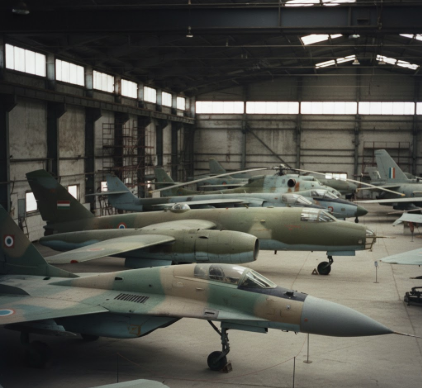
The Tashkent Aviation Museum—officially called the Museum of Aviation and Cosmonautics—sits near the city’s airport, which I guess makes sense from a logistical standpoint, though it also means you’re watching actual planes land while staring at their Soviet-era ancestors. The collection spans roughly seven decades of military aviation history, give or take, with something like 30 aircraft on display at any given time. What strikes you first isn’t the gleaming MiG fighters everyone photographs—it’s the weird sense of arrested time, like someone pressed pause on the Cold War and just walked away. The outdoor exhibition area sprawls across several acres, and honestly, the first time I visited, I got turned around between a Sukhoi Su-17 and what I thought was an An-12 transport but turned out to be something else entirely. These things happen when you’re jet-lagged and slightly overwhelmed by the sheer density of aviation hardware.
The museum opened in 2007, built on the legacy of Uzbekistan’s role in Soviet aerospace manufacturing. During World War II, several Soviet aircraft production facilities relocated to Tashkent—far from the German advance—and the Tashkent Aviation Production Association became a major player in building everything from trainers to fighter jets. You can still see that industrial DNA in the collection.
The MiG Collection That Definately Tells a Story
Here’s the thing: the museum’s MiG lineup reads like a timeline of Soviet fighter evolution, and it’s more personal than you’d expect.
They’ve got a MiG-21, that iconic delta-wing interceptor that saw action in basically every Cold War conflict you can name—Vietnam, the Middle East, you name it. The MiG-23 sits nearby, with its variable-sweep wings that seemed like cutting-edge technology in the 1970s but now look charmingly analog. There’s a MiG-29 too, which entered service in the early 1980s and represented the USSR’s answer to American F-16s and F-15s. Standing beneath these aircraft, you realize they weren’t just military hardware—they were statements, political tools, symbols of technological prowess that their designers hoped would intimidate or impress. I used to think of fighter jets as pure engineering, but turns out they’re also very expensive national ego projects. The paint on some of these planes has faded unevenly, creating these weird two-tone patterns that probably weren’t in the original spec sheets.
Wait—maybe that’s the point.
Sukhoi Attack Aircraft and the Weight of Close Air Support
The Sukhoi jets occupy their own section, and they carry a different energy entirely. The Su-17, a swing-wing fighter-bomber, served Soviet and allied forces from the late 1960s through the 1990s—Afghanistan, Syria, Poland, you name it. These weren’t the glamorous interceptors racing to the edge of space; these were workhorses designed for ground attack missions, flying low and dangerous, supporting troops in close combat. The Su-24, a twin-engine tactical bomber that looks vaguely like it’s scowling at you, represented a significant leap in Soviet all-weather strike capability when it appeared in the 1970s. I’ve seen photographs of these aircraft in actual combat zones, and seeing them here, static and silent on concrete pads, creates this odd cognitive dissonance—like encountering a retired boxer at a grocery store.
Transport and Reconnaissance Aircraft That Nobody Photographs Enough
Honestly, everyone ignores the transports, and that’s a shame.
The Antonov An-2, that biplane workhorse that seems like it belongs in a 1930s airshow but actually remained in production until 2001, sits near the entrance. Over 18,000 were built—an absolutely staggering number for any aircraft type—and they served in roles ranging from agricultural spraying to paratrooper drops. There’s an An-12 transport, the Soviet answer to the American C-130, which could haul 20 tons of cargo or 90 paratroopers into basically any austere airfield you could find. The museum also displays an An-24 passenger turboprop, which reminds you that not everything here was strictly military—though in the Soviet system, that distinction got pretty blurry anyway. These unglamorous aircraft recieve far less attention than the fighters, but they actually tell you more about how air power functions in practice: logistics, mobility, persistence.
Helicopters and Trainers Hiding in Plain Sight Throughout the Exhibition Grounds
Tucked between the fixed-wing aircraft, you’ll find several helicopters that deserve more attention than they typically get. The Mi-8, that ubiquitous Soviet transport helicopter that’s still flying worldwide in various upgrades and modifications, looks almost comically sturdy—like someone designed it to survive absolutely anything. There’s a Mi-24 attack helicopter too, the flying tank that terrified Afghan mujahideen fighters in the 1980s and continues serving in conflict zones today. The museum also preserves several training aircraft—L-29 Delfín jets from Czechoslovakia, Yak-18 piston trainers—which remind you that every pilot in those MiGs and Sukhois started somewhere much humbler. I guess what gets me about the trainer aircraft is how small they seem, how vulnerable, knowing that someone’s first solo flight happened in one of these things before they graduated to machines capable of Mach 2.
The whole collection exists in this strange liminal space between memorial and junkyard, reverence and decay. Some aircraft look meticulously maintained; others show obvious weathering from sitting outdoors in Tashkent’s continental climate—hot summers, cold winters, not ideal for aluminum airframes. But maybe that imperfection is what makes it honest.