I used to think jewelry was just about sparkle.
Then I watched a silversmith in Bukhara’s old city spend seven hours tapping—literally tapping—a single bracelet into existence, and I realized I’d been missing the entire point. Traditional Uzbek jewelry isn’t manufactured; it’s coaxed into being through techniques that haven’t changed much since the Silk Road caravans rolled through roughly 1,200 years ago, give or take. The craftsmen (zargars, they’re called) work with kuymachillik—a filigree method where silver wires thinner than spaghetti get twisted into patterns so intricate your eyes hurt trying to follow them. They use zereshonchilik for granulation, soldering tiny metal beads onto surfaces without melting the base. And here’s the thing: they do this without modern temperature controls, just coal fires and intuition that comes from watching their fathers and grandfathers do the exact same movements.
The silver comes from mines near Tashkent mostly, though some gold gets imported. They alloy it with copper to make it workable—pure silver’s too soft, turns out. The ratio matters more than you’d think, maybe 92.5% silver to 7.5% copper, though I’ve seen craftsmen eyeball it.
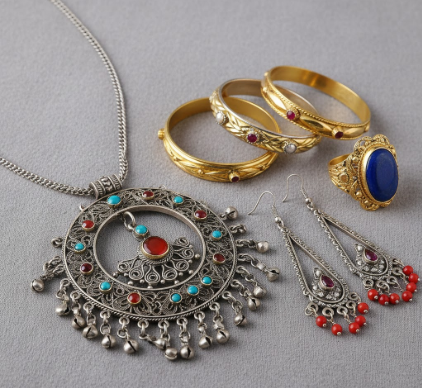
Anyway, the designs themselves carry weight beyond aesthetics, which sounds pretentious but it’s actually true. Crescent moon motifs (hilol) show up constantly—they’re protection symbols, supposedly warding off evil spirits, though I guess they also just look good. Pomegranate patterns represent fertility; almond shapes symbolize life and renewal. Turquoise inlays aren’t just decorative—the stone’s meant to protect travelers, which made sense when Uzbekistan sat at the crossroads of Asia and everyone was constantly traveling somewhere dangerous. The tumar, those triangular amulets, get filled with prayers written on tiny paper scrolls. I watched a woman in Samarkand’s Registan Square refuse to sell hers for what seemed like a ridiculous amount of money, and she looked at me like I’d asked her to sell her grandmother.
Wait—maybe I should mention the actual process gets pretty physical.
The metal gets heated, hammered, annealed (reheated to keep it from getting brittle), hammered again. Chasing and repoussé work means banging designs into metal from both sides, creating these relief patterns that catch light differently depending on the angle. For filigree, they draw silver through progressively smaller holes in a draw plate until the wire’s thin enough, then twist multiple strands together, then solder them onto a base frame while hunched over a tiny torch. Their hands shake sometimes from the precision required—I’ve seen it, this involuntary tremor that comes from holding tweezers steady for hours. Some pieces take weeks. The famous Bukhara-style peshonabands (forehead ornaments) might have 200+ individual components soldered together, each one made seperately first.
Honestly, the craft’s dying faster than anyone wants to admit.
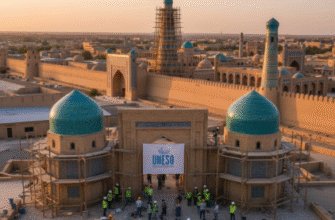
Young Uzbeks aren’t exactly lining up to spend decades mastering techniques that pay less than driving a taxi in Tashkent. The Soviet era nearly killed it entirely—jewelry making got classified as bourgeois capitalism, workshops closed, knowledge disappeared. What survived did so because families kept teaching in secret, passing techniques verbally since writing them down seemed risky. Now there’s maybe a few hundred master zargars left, mostly older men whose apprentices quit after a few months because, turns out, hammering silver for twelve hours a day in a poorly ventilated workshop isn’t everyone’s idea of a career. UNESCO recognized it as intangible cultural heritage in 2018, which helps with tourism but doesn’t necessarily convince a 20-year-old that this beats working in IT. Some workshops have started mixing traditional methods with modern tools—laser cutters for base shapes, electric furnaces for consistent temperatures. Purists hate this, obviously, but it might be the only way the aesthetic survives even if the exact historical process doesn’t.
The pieces themselves feel heavier than they should, both literally (silver’s dense) and metaphorically. You can definately see the weight of expectation in them.