The first time I stood in Registan Square at dusk, I didn’t expect to cry.
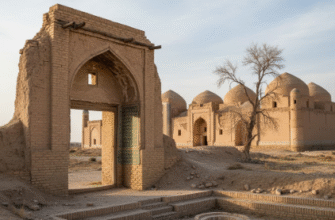
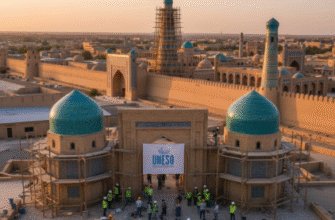
But here’s the thing about the sound and light show that unfolds there most evenings—it’s not just some cheesy tourist spectacle projected onto medieval walls. It’s this weird collision of ancient Silk Road history and modern theatrical technology that somehow manages to tell the story of Samarkand without making you feel like you’re sitting through a high school pageant. The three madrasahs—Ulugh Beg, Sher-Dor, and Tilya-Kori—built roughly between 1420 and 1660, give or take a few years depending on which historian you ask, become canvases for narratives about Tamerlane’s conquests, the flourishing of Islamic astronomy, and the daily rhythms of scholars who once studied behind those turquoise-tiled facades. Lasers trace the geometric patterns of the tilework while narration in multiple languages (Uzbek, Russian, English, sometimes French) weaves through speakers hidden somewhere in the massive courtyard. I’ve seen similar productions in Petra and at the Pyramids, but those felt performative in a way this doesn’t—maybe because Registan still functions as a public square where locals actually gather, not just a cordoned-off heritage site.
The technical setup involves roughly forty projectors and what must be thousands of LED lights. Wait—maybe it’s more like thirty projectors? I tried counting once and lost track when they started shifting between the three buildings in rapid succession. The show runs about forty minutes, though it can stretch longer during peak tourist season when they add extra narrative segments about the Silk Road trade routes.
Anyway, the thing nobody tells you is that the schedule shifts seasonally, and not just because of daylight hours.
When the Performance Actually Happens and Why That’s More Complicated Than It Sounds
During summer months (roughly May through September), shows typically start around 9 PM or even 9:30 PM because sunset comes late and you need genuine darkness for the projections to work. In winter, it might begin as early as 6:30 PM, but here’s where it gets messy—the show often gets cancelled if temperatures drop below a certain threshold, something like minus ten Celsius, because the equipment doesn’t handle extreme cold well. I learned this the hard way in February 2019 when I showed up three nights in a row and only caught one performance. Local tour guides know to check day-of, but if you’re traveling independently, you might show up to a dark, empty square and wonder if you imagined the whole thing. The official website (run by Uzbekistan’s tourism ministry) supposedly lists current schedules, but I’ve found it’s often two weeks out of date. Honestly, your best bet is asking at your guesthouse that same afternoon or checking with the ticket office at Registan around 4 PM.
What You’ll Actually See If You Manage to Catch It
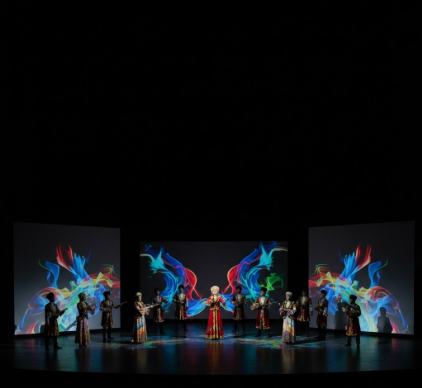
The performance divides into roughly four acts, though they blend together without obvious breaks. First comes the creation myth sequence—projections of desert winds and ancient caravans appearing to move across the madrasah walls, accompanied by traditional Uzbek instruments (dutars, I think, though I’m not musician enough to say for sure). Then a segment about Ulugh Beg’s observatory and his astronomical tables, which gets surprisingly technical with zodiac symbols and calculations floating across the tilework. After that, a recreation of what daily life might have looked like when these were functioning educational institutions—scholars debating, calligraphy being practiced, prayer calls echoing. The final section focuses on Tamerlane’s military campaigns, which involves a lot of red lighting and dramatic orchestral swells that feel a bit Hollywood but somehow work in context.
I used to think these shows were all style over substance.
But the Registan production actually incorporates findings from recent archaeological research—there’s a whole segment about restorations done in the Soviet era that you won’t find in guidebooks, including some mistakes they made in tile reconstruction that scholars only identified in the 2000s. The narration mentions how Sher-Dor’s famous tiger mosaics technically violate Islamic prohibitions on depicting living creatures, calling them “an act of architectural rebellion” which made me laugh because I’d never thought about medieval builders as rebellious. Wait—maybe those tigers are actually lions? Different sources disagree, and the show itself hedges by calling them “great cats.” The lighting does this thing where it traces the original 15th-century tilework in blue and the Soviet-era repairs in amber so you can see the difference, which I found weirdly moving in a way I can’t quite explain.
Practical Realities Nobody Mentions in the Brochures
Tickets cost around 50,000 to 70,000 Uzbek som depending on seating area (roughly eight to twelve US dollars as of 2024, though exchange rates fluctuate). There aren’t actually seats in the traditional sense—you’ll either stand in the central courtyard or sit on temporary benches they set up along the perimeter. The VIP section, which costs maybe double, gets you actual chairs and a slightly better angle, but honestly the view from the center is more immersive. You can’t bring professional camera equipment without a special permit, though phone cameras are fine. The real problem is that Samarkand’s spring weather is unpredictable as hell—I’ve been to performances where warm afternoons turned into freezing evenings and half the audience left shivering by minute twenty. Bring layers, is what I’m saying, even if it seems warm at sunset.
Why This Matters Beyond Just Being a Pretty Light Show That Tourists Photograph
The Registan performance represents something larger about how Central Asian countries are reclaiming their pre-Soviet heritage narratives. Uzbekistan only gained independence in 1991, and for decades these monuments were presented primarily through a Russian imperial lens. This show, first launched in 2019 and continiously refined since, deliberately centers Timurid achievement, Islamic scholarly tradition, and Uzbek cultural continuity in ways that weren’t possible or permitted twenty years ago. Some historians I’ve talked to worry it oversimplifies complex histories—one pointed out that the show glosses over the brutal aspects of Tamerlane’s conquests, presenting him more as a patron of arts than the conqueror who built pyramids from skulls. That’s probably fair criticism. But there’s also something powerful about seeing local families bring their kids to watch their own history projected onto buildings that have survived earthquakes, invasions, and Soviet-era neglect.
I guess what I’m saying is: it’s worth the unpredictable scheduling and the cold benches and the occasional technical glitch where the projectors don’t quite sync up. Just check the timing that afternoon, and definately bring a jacket.