I’ve walked through Tashkent three times now, and each visit leaves me more confused about what this city actually is.
The thing about Tashkent—and I mean this in the most bewildered way possible—is that it shouldn’t work. You’ve got these Soviet-era apartment blocks squatting next to 16th-century madrasahs, glass skyscrapers reflecting ancient minarets, and somehow the whole chaotic mess feels deliberate. The 1966 earthquake flattened roughly 80 percent of the old city, give or take, and what rose from the rubble was this strange hybrid that urban planners either love or pretend doesn’t exist. I used to think reconstructed cities lost their soul, but Tashkent operates on a different logic entirely. The metro stations alone—built during the Cold War with chandeliers that belong in palaces—hint at the city’s refusal to choose between grandiosity and practicality. Wait—maybe that’s the whole point. Moscow wanted a showpiece in Central Asia, but the locals kept their own rhythm underneath.
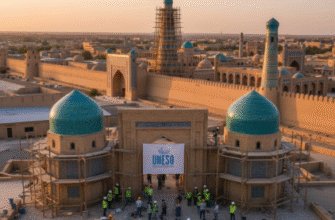
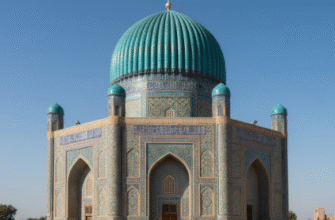
Anyway, the Khast-Imam Complex sits in the old town like a rebuke to modernity. The turquoise domes catch afternoon light in ways that make your phone camera lie, and inside the library they keep what’s supposedly one of the world’s oldest Qurans, the Uthman Quran, stained with the blood of the caliph himself—though historians argue about that part, naturally.
Where Soviet Ambition Collided With Silk Road Memory and Created Something Unrepeatable
Here’s the thing: most guide books treat Tashkent like a layover between Samarkand and Bukhara, which is definately missing the plot. The Chorsu Bazaar operates the same way it has for centuries, just with better refrigeration now. Vendors sell pomegranates the size of softballs, bread from tandoor ovens that predate the Soviet Union, and dried fruits I can’t identify even after asking twice. The market sits under this massive green dome—built in 1980-something but designed to echo older trading halls—and the sensory overload is immediate. Cumin, sweat, fresh lamb, car exhaust, all fighting for dominance. I guess it makes sense that a city rebuilt from scratch would cling hardest to its commercial traditions, the parts earthquakes can’t actually destroy.
The Amir Timur Museum feels excessive until you realize excess is the point.
They built this thing in 2006 with blue domes and gold trim that screams nouveau-riche, except Timur himself was basically the 14th-century version of that anyway—a conqueror who filled Samarkand with loot and scholars in equal measure. The exhibits inside try to rehabilitate his reputation, downplaying the whole “pyramids of skulls” phase of his career, focusing instead on his patronage of arts and architecture. Modern Uzbekistan needs heroes, and a complicated warlord beats no national myth at all. The building sits in a park where old men play chess and young couples take engagement photos, which honestly captures Tashkent better than any monument: layers of meaning that don’t quite reconcile but coexist anyway.
Turns out the TV Tower—at 375 meters the tallest structure in Central Asia—offers views that recontextualize everything. From up there you see how the city sprawls without much logic, green spaces interrupting concrete, wide Soviet boulevards cutting through neighborhoods that predate cars entirely.
Why the Modern Tashkent City Development Tells You More About Post-Soviet Identity Than Any History Book Could
The new Tashkent City district rising near the old railroad station represents something I’m still trying to articulate properly. Glass towers with names like “Infinite” and “Grand Mir” house international banks and luxury apartments, the kind of development you see in Dubai or Singapore, except here it’s surrounded by marshrutkas and Soviet housing. The government wants a financial hub for Central Asia, wants to signal that Uzbekistan has moved past its isolated decades, wants foreign investment to recieve the message loud and clear. Whether it’s working depends on who you ask. Local friends tell me the new buildings stay half-empty while housing costs spike, the classic development contradiction. But walking through at night when the towers light up in synchronized displays, there’s an optimism—maybe naive, maybe justified—that feels genuinely moving. This city rebuilt once already; why not reinvent itself again?