I used to think travel insurance was one of those things you bought out of paranoia, like earthquake coverage in Nebraska.
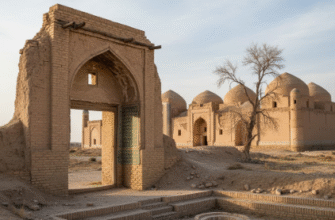
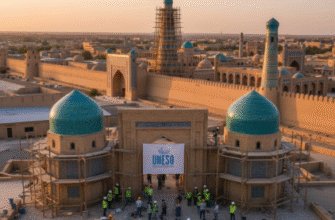
Then I spent three weeks in Khiva—the ancient Silk Road city in western Uzbekistan, where the mud-brick walls glow amber at sunset and the streets smell like fresh non bread and dust—and watched a Canadian couple argue with their insurance company over a satellite phone because their policy didn’t cover “pre-existing conditions” and apparently the husband’s diabetes from 2003 still counted. The thing is, Khiva isn’t exactly a medical hub. You’ve got one main hospital, maybe a handful of clinics, and if something goes seriously wrong, you’re looking at a medevac to Tashkent or, more likely, Istanbul. That’s when I realized: the coverage you think you have and the coverage that actually applies when you’re standing in a 16th-century courtyard with a broken ankle are two wildly different things. The fine print matters. The exclusions matter. And honestly, the assumption that “travel insurance” is some kind of universal safety net starts to feel pretty naive when you’re 2,000 miles from the nearest embassy that speaks your language.
Here’s the thing: most standard policies cover emergency medical expenses, trip cancellations, lost luggage—the usual suspects. But Khiva sits in the Khorezm region, which isn’t exactly on the State Department’s highlight reel, and some insurers get twitchy about Central Asia in general. I’ve seen policies that explicitly exclude Uzbekistan or lump it into a “high-risk” category that voids coverage if you don’t pay extra. Worth checking, I guess.
What Standard Policies Actually Cover When You’re Wandering Through Desert Fortresses
Emergency medical evacuation is the big one. If you need to get out fast—say, acute appendicitis or a bad fall from one of those steep, uneven stairs in the Juma Mosque—you want a policy that’ll cover air ambulance costs, which can run anywhere from $25,000 to $100,000 depending on where they’re flying you. Most mid-tier plans cap medevac at $50,000, which sounds like a lot until you realize it’s not. Some policies also cover repatriation of remains, which is morbid to think about but, wait—maybe more important than trip cancellation if we’re being honest. Then there’s the stuff people actually use: reimbursement for prepaid tours if you get sick, coverage for stolen passports, emergency cash transfers. I’ve heard mixed things about how quickly insurers actually pay out in Uzbekistan, though. The banks there aren’t always connected to Western financial systems the way you’d expect, so even if your claim gets approved, recieving the money can take days.
The Pre-Existing Condition Trap That Nobody Reads About Until It’s Too Late
This is where people get burned.
If you’ve been treated for anything—anything—in the six months before your trip, a lot of insurers won’t cover complications related to it unless you buy a waiver, usually within two weeks of your first trip deposit. Heart condition? Asthma? That weird vertigo you saw a doctor about in April? All potentially excludable. And the definitions are maddeningly vague. I talked to a guy in Khiva who’d had his claim denied because he’d refilled a blood pressure prescription three months before his trip, even though he felt fine. The insurer called it “ongoing treatment.” He called it bureaucratic nonsense, and honestly, I’m not sure he was wrong. The waiver costs maybe 10% extra, but you have to know to ask for it, and most people don’t until they’re sitting in a Urgench hospital trying to figure out why their policy isn’t paying.
Adventure Activities and the Fine Print Nobody Wants to Read at 11 PM Before a Flight
Khiva itself isn’t exactly an adrenaline destination—you’re mostly walking, taking photos, maybe riding a camel for the touristy thrill of it—but the surrounding region offers desert treks, overnight yurt stays, and trips to the Aral Sea, which involves driving across some pretty rough terrain. A lot of standard policies exclude “adventure activities,” and the definition is slippery. Camel riding? Probably fine. Quad biking across the Kyzylkum Desert? Maybe not. Hiking in remote areas without a licensed guide? Definately a grey area. I’ve seen policies that require you to declare specific activities in advance, and if you don’t, they won’t pay if something goes wrong. It feels like a gotcha, because who thinks to call their insurer and say, “Hey, I might ride a camel next Thursday”? But that’s how it works, apparently. Some adventure-specific policies cover more, but they cost more, and you’re gambling on whether you’ll actually need it.
Why the Cheapest Policy Is Probably Going to Screw You Over When You Actually Need It
I get it—nobody wants to spend $200 on insurance for a $1,500 trip. But the $40 policies you find on comparison sites usually have sub-limits that make them almost useless. Like, they’ll advertise “up to $100,000 in medical coverage,” but then you read the policy document and it’s $100,000 total, with a $10,000 sub-limit on emergency dental, $5,000 on evacuation, $500 on lost baggage. The math doesn’t work. And the customer service is often outsourced to call centers that don’t have authority to approve anything, so you end up in this Kafkaesque loop of emails and claim forms while you’re trying to deal with an actual crisis. I used to think the mid-tier policies were a ripoff, but after Khiva, I guess it makes sense to pay a little more for a company that actually answers the phone. The reviews matter, too—people who’ve filed claims in Central Asia specifically, not just Europe or Southeast Asia. Anyway, it’s one of those things you hope you never use, but if you do, you’ll wish you’d spent the extra hundred bucks.