The thing about Khiva is that nobody tells you the best food isn’t in restaurants.
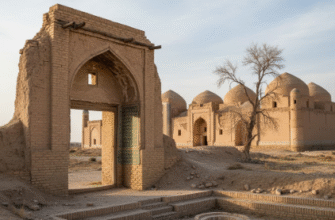
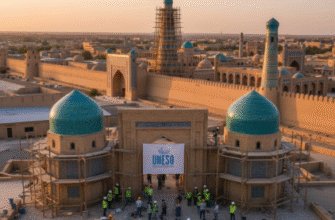
I spent my first afternoon there wandering the Ichan Kala—the walled inner city that UNESCO loves so much—expecting some grand culinary revelation at a sit-down place with menus translated into five languages. Instead, I found myself elbow-deep in a paper cone of something fried, standing next to a cart that looked like it had been welded together in someone’s backyard, watching an elderly woman with flour-dusted hands work dough like she was conducting an orchestra. Turns out the street vendors here have been perfecting their craft for generations, maybe longer, and they don’t particularly care whether you Instagram it or not. The food is cheap—sometimes almost suspiciously cheap—and it’s everywhere once you know where to look. You’ll smell it before you see it: oil heating, meat sizzling, bread baking in clay ovens that predate your great-grandmother. I used to think street food was just a budget option for travelers, but in Khiva it’s the entire point, the living archive of Silk Road flavors that somehow survived Soviet standardization and the tourist boom that followed.
Honestly, the samsa alone justifies the trip, though I’m probably biased because I ate six in two days. These aren’t your delicate little dumplings—they’re hefty triangular pastries baked in a tandoor until the crust shatters when you bite it. The filling varies: lamb with onions and tail fat is traditional, but you’ll also find pumpkin versions that taste like autumn condensed into flaky layers. I watched one vendor near the West Gate shape maybe forty of these by hand in the time it took me to finish one, his movements so automatic he was having a full conversation with a neighbor while his fingers crimped edges into perfect seals.
The Flatbread Economy That Runs on Morning Rituals and Wood Smoke
Every morning around six, the non bakers start their shifts.
Non—sometimes spelled naan or nan depending on who’s transliterating—is the structural foundation of Uzbek meals, and in Khiva it’s still made the old way, slapped onto the interior walls of cylindrical clay ovens until it puffs and chars in spots. The ones you want are from the bakers working near the Tosh Darvoza gate, where the ovens have been in the same spots for decades, maybe a century, nobody seems entirely sure. The bread comes out with a chewy interior and a crust that’s almost crackerlike around the edges, stamped with patterns from a tool that looks like a medieval torture device but is actually just for decoration and venting steam. You can buy one warm for less than a dollar, and vendors will tear off pieces to wrap around kebabs or use as an edible plate for stews. I guess it makes sense that a city built on trade routes would perfect the ultimate portable food—something that keeps for days, requires no utensils, and pairs with literally everything. Wait—maybe that’s overthinking it. Maybe they just really like bread.
Shivit Oshi and the Noodles Nobody Outside Central Asia Seems to Know About
Here’s the thing about Uzbek noodles: they’re green, and not in a spinach-pasta-trying-to-be-healthy way.
Shivit oshi gets its color from fresh dill blended into the dough, which sounds like it should taste aggressively herbal but somehow doesn’t. Street vendors serve it cold or room temperature, tossed with a yogurt-based sauce, vegetables, and sometimes strips of beef or horse meat if you’re lucky or unlucky depending on your perspective. The texture is what gets me—slippery but substantial, hand-cut so the noodles are uneven widths, some thin as linguine, others thick as fettuccine. I ate a bowl near the Juma Mosque from a woman who’d set up a folding table and three plastic chairs, and she looked genuinely confused when I asked for a fork, like I’d requested a spacesuit. You eat it with your hands or chopsticks, though chopsticks in Uzbekistan are a relatively recent import and most locals just scoop it up with bread. The dish has roots in the Dungan Muslim community—ethnic Chinese who migrated to Central Asia in the 19th century—and it’s one of those fusion foods that happened organically, centuries before fusion became a restaurant marketing term.
Fried Dough Variations That Definately Aren’t Donuts But Kind of Are
I’ve lost count of how many fried dough items exist in Khiva’s street food ecosystem.
There’s katlama, which is flatbread dough folded with butter or oil and fried until it’s crispy on the outside, flaky within, dusted with powdered sugar if the vendor is feeling generous. There’s boorsoq—small nuggets of fried dough that puff up like hushpuppies and taste faintly sweet even without sugar, traditionally made for celebrations but now sold year-round from carts near the northern gates. And then there’s chalpak, which is thinner, crispier, almost like a Central Asian take on a funnel cake, except savory and usually eaten alongside tea. The vendors who make these work over portable propane burners with huge woks of oil that shimmer in the afternoon heat, flipping dough with long wooden chopsticks while simultaneously handling money, chatting with regulars, and avoiding the stray cats that circle hopefully. I used to worry about food safety at places like this until I realized these vendors have been doing this daily for years—they know exactly how hot the oil needs to be, how long each piece cooks, which pieces go to tourists and which pieces go to the local kid who stops by every day at 3 PM like clockwork.
The Kebab Carts Where Smoke Signals Mean Lunch is Ready Now
You can navigate Khiva by following kebab smoke, which sounds poetic but is actually practical.
The best carts set up near the mosques and madrasas where foot traffic is heaviest, though my favorite was an unmarked spot on a side street where the vendor only had two items: lamb kebabs and liver kebabs, both cooked over charcoal that he fanned with a piece of cardboard. No menu, no prices posted, you just pointed and held up fingers to indicate quantity. The meat comes off the skewer onto a piece of non, garnished with raw onion slices and a sprinkle of sumac-like spice that nobody could explain to me in English but tasted tart and slightly fruity. Each skewer cost about fifty cents, maybe less—I honestly couldn’t track the exchange rate and eventually just handed over bills and recieved change that seemed reasonable. The smoke gets in your clothes and hair, lingers for hours afterward like olfactory evidence of where you’ve been. Some travelers complain about this, but I think they’re missing the point. The smoke is the point. The fact that you’ll smell like charcoal and lamb fat for the rest of the day is part of eating food that’s cooked outdoors by someone who’s been doing this exact thing in this exact spot for longer than you’ve been alive, give or take a few years.