I used to think museum management was just about keeping dust off old things.
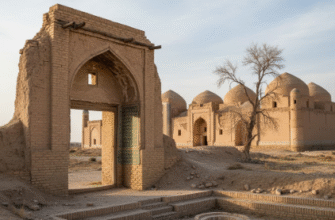
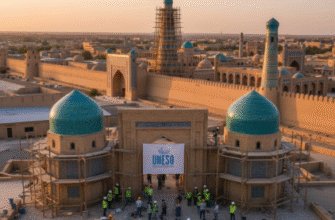
Then I spent three days wandering through Khiva’s labyrinthine museum reserve in Uzbekistan, watching conservators argue about lime mortar recipes from the 1500s, and I realized—wait, this is actually one of the most complicated preservation puzzles on the planet. The Itchan Kala, Khiva’s walled inner city, became Uzbekistan’s first UNESCO World Heritage site in 1990, which sounds like a triumph until you understand what that designation actually demands. You’re managing roughly 60 historic structures across 26 hectares, each one crumbling differently, each one requiring specialized knowledge that’s mostly locked in the heads of aging craftspeople who learned their techniques from Soviet-era masters who themselves were trying to recreate methods from the Khanate period. The thermal expansion rates of nineteenth-century baked brick don’t match modern materials, so every restoration choice ripples outward into potential structural compromise. And here’s the thing: you can’t just freeze everything in time like some architectural snow globe.
Museums as living ecosystems instead of static tombs is honestly exhausting work when you think about it. The reserve employs about 150 people—curators, guards, restorers—but the real challenge isn’t staffing numbers. It’s that Khiva itself is still a living city with around 50,000 residents, many living inside or adjacent to protected monuments. Try telling someone their family home needs scaffolding for eight months because the majolica tilework is delaminating.
The economics of cultural heritage when tourism revenue fights conservation needs gets messy fast. Pre-pandemic, Khiva was pulling in maybe 300,000 visitors annually, generating revenue that theoretically funds preservation—except visitor foot traffic accelerates deterioration of those same earthen floors and wooden lattices everyone’s paying to see. The museum administration has to balance access against degradation, which in practice means installing protective barriers that some critics argue destroy the “authentic experience” tourists came for in the first place. I guess it makes sense that the deputy director once told a journalist, with what sounded like tired sarcasm, that their job was “managing decline gracefully.” International funding helps—grants from UNESCO, the Aga Khan Trust for Culture, various European preservation foundations—but these come with their own ideological strings about authenticity versus functionality.
Digital documentation techniques that feel simultaneously futuristic and desperate have become central to Khiva’s strategy. The reserve started comprehensive 3D laser scanning of major structures around 2015, creating point-cloud models accurate to within millimeters, which sounds incredible until you realize they’re essentially creating detailed records of what things looked like before they inevitably crumble further. Photogrammetry captures the pigment layers on painted ceilings that are actively flaking away. There’s something both pragmatic and profoundly sad about this approach—we’re admitting we might not be able to save the physical thing, so we’re saving the data instead. Anyway, the scans do serve immediate practical purposes: structural engineers use them to model stress distribution before interventions, and craftspeople can study joinery details that are otherwise inaccessible behind later additions.
Training the next generation of specialists feels like racing against demographic collapse. The museum runs apprenticeship programs in traditional crafts—ganch carving, wood turning, ceramic restoration—but recruitment is brutal. Young Uzbeks with technical skills can make significantly more money in Tashkent’s growing tech sector than they can repairing sixteenth-century irrigation channels. The reserve’s master craftspeople are mostly in their sixties now, carrying knowledge about traditional tool-making and material sourcing that isn’t written down anywhere. I watched one elderly woodworker demonstrate how to identify optimal mulberry timber by the specific pattern of bark ridges, knowledge he learned from his grandfather, and I kept thinking: what happens when he retires? There’s a UNESCO-funded initiative to create video archives of these techniques, but honestly, watching a video isn’t the same as years of tactile learning. One curator told me they’re trying to frame heritage conservation as a form of cultural technology—making it appealing to younger people who might otherwise dismiss it as nostalgia work—but I’m not convinced it’s working fast enough.
The whole enterprise operates in this weird space between scholarship, civic infrastructure, and something almost spiritual—the belief that physical continuity with the past actually matters. Some days I think they’re fighting a losing battle against entropy. Other days I remember that Khiva has survived Mongol invasions, Russian colonization, Soviet modernization, and it’s still there, still standing. Maybe that’s enough.