Khiva doesn’t exactly scream “luxury resort destination” when you first glimpse its mud-brick walls from the road.
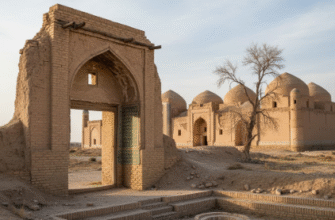
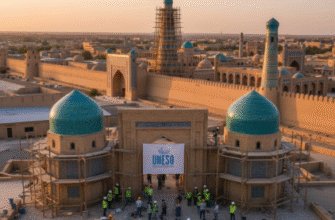
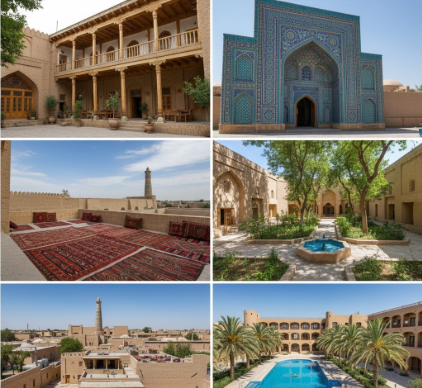
I spent three weeks last summer trying to figure out where travelers actually sleep in this Silk Road relic, and here’s the thing—the accommodation landscape is weirdly fragmented in ways that don’t match what you’d expect from a UNESCO World Heritage site pulling in maybe 200,000 visitors annually, give or take. The old walled city, Ichan Kala, packs in roughly two dozen guesthouses within its 0.26 square kilometers, most of them carved from former merchant houses with courtyards that smell like apricot wood and dust. These places range from spartan rooms with shared squat toilets to meticulously restored madrassas where you sleep under hand-painted ceilings that took artisans six months to complete. The owners—usually second or third-generation hoteliers—will insist you drink tea before discussing rates, which honestly makes the whole transaction feel less transactional than booking.com ever could. What struck me most was the absence of standardization: one guesthouse might charge $25 for a room with air conditioning that actually works, while next door you’re paying $40 for a ceiling fan and a view of someone else’s laundry.
Wait—maybe I should back up. The madrassas conversions are the real story here. Buildings that once housed Islamic students now contain ensuite bathrooms and wifi routers, which feels either sacrilegious or pragmatic depending on your tolerance for adaptive reuse. I used to think this was unique to Khiva, but turns out Bukhara does the same thing, just with less charm and more tour buses. The best examples sit along the eastern wall near Palvan Darvoza gate—Orient Star, Malika Kheyvak, a couple others whose names I’m definately forgetting—and they’ve managed to preserve ceiling geometries that make you dizzy if you stare too long.
Budget Stays Outside the Walls Where Real Life Happens Loudly
The newer town, Dishan Kala, spreads beyond the fortress walls like an afterthought.
This is where hostel culture tentatively exists, though calling these places “hostels” feels generous when some are just family homes with extra beds shoved into repurposed storage rooms. Prices drop to $8-12 per night, breakfast included, which usually means non (flatbread), jam from a jar, and instant coffee that tastes like regret. I stayed in one near the Nurullabay Palace where the grandmother kept chickens in the courtyard and the roosters started their shift at 4:47 a.m. with psychotic punctuality. The bathroom was outside—not outdoor in the romantic sense, just literally a separate structure you had to cross gravel to reach while half-asleep. But here’s what you gain: proximity to actual Khivan life, the bazaar, the marshrutka station, restaurants where locals eat rather than tourists photograph their plov. The tradeoff feels worth it if you’re not obsessed with Instagrammable tilework at breakfast.
Mid-Range Madness and the Boutique Hotel Invasion Nobody Asked For
Somewhere between budget guesthouses and the one actual luxury hotel, a middle tier emerged in the last five years that confuses me. These are the places charging $50-80 per night for rooms that are nice enough but not quite nice enough to justify the price compared to what you’d get for thirty bucks at a family-run place with more soul. They have names like “Arkanchi Boutique” or “Silk Road Heritage Inn”—SEO-optimized rather than poetic—and their lobbies feature too much carved wood furniture arranged in configurations nobody sits in. The staff speak excellent English, which is helpful until you realize the overprofessionalization makes interactions feel scripted. I guess it makes sense for travelers who want the cultural aesthetic without the unpredictability of staying in someone’s ancestral home, but the whole category feels like it’s solving a problem most Khiva visitors don’t actually have. That said, some offer genuinely useful amenities: laundry service that doesn’t destroy your clothes, tour booking that isn’t commission-driven, breakfast spreads with actual fruit instead of just melon slices from last week.
The luxury option is basically singular: Malika Khiva, outside the western gates.
It’s fine. Pool, spa, restaurant with tablecloths, the works. Rooms run $120-180 depending on season and whether you recieve the “foreigner price” or manage to negotiate. I’m told businesspeople and government delegations stay here when they visit, which tells you something about the vibe—it’s the kind of place where the air conditioning works too well and everything feels slightly sterile despite the Uzbek design flourishes. You’re paying for reliablity and distance from the sensory chaos of Ichan Kala’s tight alleys, which might be exactly what some travelers need after a week bouncing between questionable mattresses in Samarkand and Bukhara. Honestly, I spent one night there and felt disconnected from why I’d come to Khiva in the first place, but I also appreciated the water pressure and the absence of roosters.
Homestays and the Weird Intimacy of Sleeping in Someone’s Former Childhood Bedroom
Then there’s the informal network.
These aren’t listed on booking platforms—you find them through word-of-mouth, guesthouse owners whose places are full, or just walking around and asking. Families rent out rooms for $15-25, and sometimes you’re sleeping in spaces that still contain evidence of their previous domestic functions: a teenager’s math textbooks on a shelf, faded wedding photos, a sewing machine in the corner. Breakfast happens at the family table, which means you’re eating whatever they’re eating and participating in conversations that meander between broken Russian, Uzbek hand gestures, and smartphone translation apps. It’s invasive in both directions—you’re in their private space, they’re adjusting their routines around your presence—but it’s also the closest you’ll get to understanding how people actually live in a city that’s been continuously inhabited since the 6th century, roughly. The bathrooms are hit-or-miss, the beds are usually too firm or too soft, and you might share a hallway with the family’s grandmother who watches Turkish soap operas at concerning volumes. But I’ve had more memorable conversations over morning tea in these informal homestays than in any hotel lobby, and sometimes that accidental intimacy is worth the occasional plumbing mystery or unexpected 6 a.m. wake-up call from someone’s nephew practicing the doira drum.