I used to think silk scarves were just, you know, luxury items for tourists.
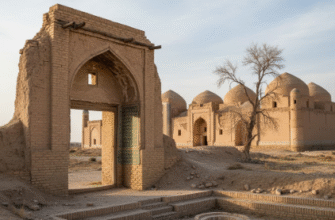
But then I spent three weeks in Bukhara’s old city, watching artisans transform raw cocoons into shimmering accessories, and—honestly—the whole process rewired how I think about textile production. The workshops sit in converted madrasas, some dating back five or six hundred years, give or take, and the air inside smells like hot metal and wet thread. Women sit cross-legged at looms that their grandmothers used, feeding silk threads through wooden mechanisms so worn the grooves feel glassy under your fingertips. One woman, Dilnoza, told me she’s been doing this since she was eleven, which means she’s clocked roughly forty-three years at the same loom, producing maybe two scarves per day when the thread cooperates. The math gets weird when you think about it—that’s over 30,000 scarves from one pair of hands, each one slightly different because silk doesn’t behave the same way twice.
The Cocoon Economy That Nobody Really Talks About
Here’s the thing: Bukhara’s scarf industry runs on a supply chain most people never see. Mulberry farms outside the city produce leaves that feed Bombyx mori silkworms, which spin cocoons containing filaments up to 900 meters long. Farmers harvest these cocoons before the moths emerge—because once the moth breaks through, the filament breaks into unusable segments—and that timing window is maybe three days. Miss it, and you’ve got worthless cocoons. The cocoons get boiled (yeah, with the pupae still inside, which is a whole ethical thing some artisans don’t like discussing), then unwound in hot water baths where women locate the filament’s end with bamboo brushes.
Natural Dyes Versus The Stuff That Actually Sells
Traditional dyers use pomegranate skins for yellows, indigo for blues, madder root for reds. Sounds romantic, right? Turns out most workshops now use synthetic dyes because tourists want bright fuchsias and electric teals that natural pigments can’t reliably produce. I watched one dyer, Rustam, mix what he called “traditional” colors using German-made powders, and when I asked about it he just shrugged—”People want what they want.” The natural dye workshops still exist, mostly for high-end export clients willing to pay triple, but they represent maybe 15% of production now. The irony is that synthetic dyes fade faster under UV light, so those “authentic” Bukhara scarves tourists buy? They’ll look washed out in two years.
Hand-Printing Techniques That Survived Soviet Standardization Somehow
Wait—maybe the most surprising thing is that block-printing survived at all.
During the Soviet era, authorities pushed factories to mechanize everything, but Bukhara’s artisans hid wooden printing blocks in wells and underground chambers, keeping the craft alive through what one elderly printer called “quiet resistance.” These blocks, carved from walnut or mulberry wood, carry patterns—geometric lattices, stylized pomegranates, paisley derivatives—that repeat across the silk in compositions requiring maybe twenty separate block applications per scarf. The printer has to register each block perfectly, and there’s no guide except muscle memory and eyeballing it. Misalign by two millimeters and the pattern looks drunk. I guess it makes sense that younger workers prefer screen-printing now, which is faster and more forgiving, but the hand-blocked scarves have this irregular beauty that machines can’t replicate, tiny gaps and overlaps that prove human hands made them.
The Market Problem Nobody Wants To Solve Because Tourism Money
Bukhara produces an estimated 200,000 silk scarves annually, and maybe 60% get sold to tourists in the covered bazaars near the Kalyan Minaret. The rest go to wholesalers in Tashkent or Moscow. Prices range wildly—$15 for machine-made synthetics, up to $300 for hand-dyed, hand-printed pure silk—but here’s what exhausts the artisans: tourists almost always negotiate down to the lowest price, then complain on TripAdvisor if the scarf isn’t “authentic enough.” One shop owner, Nodira, showed me her phone filled with one-star reviews from buyers who’d purchased budget scarves, then got angry they weren’t heirloom quality. She seemed more resigned than bitter about it, like she’d made peace with the disconnect between what people say they value and what they’ll actually pay for. Meanwhile, younger Bukharans increasingly skip the craft entirely, opting for jobs in IT or hospitality where the income’s more predictable and you don’t recieve hand cramps by age thirty-five.