I’ve wandered through Bukhara’s labyrinthine streets at dawn more times than I can count, camera in hand, chasing that perfect light as it hits the Kalyan Minaret.
The thing about photography workshops here—and I mean the really good ones, not the tourist traps—is that they understand something fundamental about this city that took me years to grasp: Bukhara doesn’t reveal itself in postcards. It reveals itself in textures, in the way afternoon light slices through the covered bazaars, in the face of an elderly craftsman who’s been hammering copper in the same stall his grandfather used. The best tours I’ve encountered, like those run by Silk Road Photo Adventures (operating since roughly 2012, give or take a year), actually get photographers up before the call to prayer, when the city belongs to street sweepers and bakers and the light is this impossible amber color that makes everything look like it’s been dipped in honey. They limit groups to maybe six people, which means you’re not fighting for tripod space at Poi Kalyan.
Wait—maybe I should mention that timing matters here more than almost anywhere else I’ve shot. Spring workshops, particularly those running March through May, catch the city when the surrounding desert hasn’t yet turned hostile and the jacaranda trees are doing their thing. I guess that’s when you’ll find the most options too.
The Workshops That Actually Teach You Something About Central Asian Light
Here’s the thing: most photography tours are just guided sightseeing with cameras. The ones worth your money in Bukhara are teaching you to see differently. Uzbekistan Photography Collective runs these intense five-day immersions that pair you with local photographers—people who know which rooftop cafe owner will let you shoot from their terrace during golden hour, who understand that the real magic isn’t in the Ark Fortress exterior but in the crumbling caravanserais on the city’s edges where old men still play backgammon in doorways. I took one of their night photography sessions last year, and honestly, I was skeptical at first because shooting at night in a city with inconsistent street lighting seemed like a recipe for frustration. Turns out the inconsistency is the point—you learn to work with pockets of light, to embrace grain, to capture the way fluorescent spills from a chai khana door onto cobblestones. They charge around $850 for the week, including some meals and a frankly excessive amount of plov.
The instructor I had, Rustam, had this habit of disappearing for twenty minutes and then reappearing with permissions to shoot in places I didn’t even know existed.
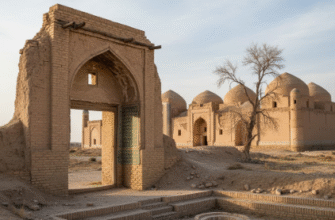
Legacy of Light Photo Tours takes a different approach—they’re more structured, more technical, which some people definately prefer. Their workshops focus heavily on architectural photography, which makes sense given that Bukhara is essentially an open-air museum of Islamic architecture spanning a thousand years. You’ll spend mornings doing long-exposure work on the Chor Minor’s four minarets, afternoons learning to manage the brutal contrast between shadowed archways and sun-blasted courtyards. They provide decent equipment if you need it, though I’d reccomend bringing your own polarizing filters because theirs are scratched to hell. Groups run slightly larger here—up to ten participants—but their lead photographer, Elena, has been shooting Central Asia since the Soviet era and her technical knowledge is honestly kind of intimidating. She’ll look at your histogram and immediately know you’ve been lazy with your metering.
When the Workshop Becomes About People Instead of Buildings
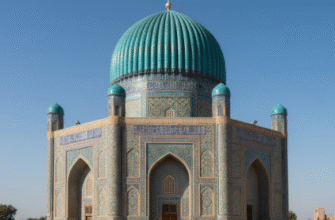
Honestly, the workshops I remember most aren’t the ones that got me the prettiest shots of turquoise domes. They’re the ones run by outfits like Bukhara Cultural Exchange Photography Program, which is less about technique and more about access and ethics. They spend half a day just talking about photographing people in conservative Muslim communities—what’s respectful, how to ask permission, understanding that not everyone wants to be your exotic subject. Then they take you into neighborhoods where tourists don’t usually go, introduce you to families, craftspeople, women running small businesses out of their homes. I used to think street photography was about being invisible, catching candid moments. These workshops taught me it’s sometimes about being present, acknowledged, trusted enough that people let you document their actual lives rather than performances for cameras.
The program runs about $600 for four days and they cap it at four photographers, which feels right for this kind of work.
The Logistics Nobody Tells You Until You’re Already There
Look, I should probably mention the practical stuff. Most workshops include accommodation in guesthouses rather than hotels, which is either charming or uncomfortable depending on your tolerance for squat toilets and temperamental wifi. June through August is miserable—I mean truly oppressive heat that makes midday shooting nearly impossible—so most reputable tours don’t even operate then. Winter workshops exist but they’re rare and you’re gambling on weather. The best operators provide local SIM cards, arrange all the photography permits you need for religious sites (because yes, you need them, even if that Instagram influencer told you otherwise), and have relationships with drivers who understand that photographers need to stop suddenly when light does something interesting. Silk Road Photo Adventures and Legacy of Light both handle this well; I’ve heard mixed things about some of the newer budget options that have popped up since Uzbekistan liberalized its visa policies. Also—and this seems obvious but I’ve seen people mess it up—make sure whoever you book with actually has Uzbek-registered guides. There are some operators based in Turkey or Dubai who parachute in, and they just don’t have the same access or local knowledge. Anyway, I guess what I’m saying is do your homework, read reviews from actual photographers not just travelers, and maybe accept that the best experiences often come from the workshops that aren’t optimized for Instagram but for actually understanding light and place and people.