I’ve stood at the base of ancient fortresses before, but Ayaz Kala hits different.
Three Fortresses Scattered Across a Moonscape That Time Forgot
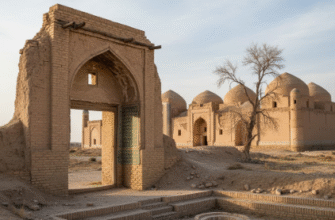
The thing about Ayaz Kala is that it’s not just one fortress—it’s three seperate structures clinging to the desert hills of Khorezm, somewhere between 4th century BCE and 7th century CE, give or take a few centuries because honestly, the archeologists keep arguing about it. The main fortress, Ayaz Kala 1, sprawls across a hilltop like something out of a fever dream, roughly 200 meters long with walls that still stand maybe 10 meters high in places. I used to think desert ruins would feel empty, but there’s this weight here, this presence. The mudbrick construction—paksha they call it, rammed earth mixed with straw—has survived millenia better than most modern buildings will. Wait—maybe that’s depressing, maybe it’s inspiring. The Kushan Empire probably built the largest structure, though some scholars argue it was the Kangju state, and turns out nobody’s entirely sure because the historical records from this period are, let’s say, patchy at best.
Why Ancient Engineers Built Fortresses in the Middle of Absolutely Nowhere
Here’s the thing: Ayaz Kala wasn’t in the middle of nowhere back then. The Silk Road snaked through Khorezm, and these fortresses guarded a strategic position overlooking what used to be fertile valleys before the Amu Darya river shifted its course and left everything high and dry. The complex served multiple purposes—military outpost, caravan station, maybe even a royal residence depending on which fortress you’re talking about. Ayaz Kala 2, the smallest one down the slope, looks like it housed soldiers or guards. The archeological evidence shows living quarters, storage rooms, and this elaborate system of corridors that I guess made sense for defense but must have been a nightmare to navigate in the dark.
The Architecture That Shouldn’t Still Be Standing But Definately Is
Walking through Ayaz Kala 1, you can still see the arrow slits, the watchtowers positioned at intervals along the walls, the main gate’s defensive design. The walls taper as they rise—thick at the base, narrower at the top—which any engineer will tell you is smart weight distribution. What gets me is the corrugated exterior walls, these vertical ridges that aren’t just decorative; they reinforce the structure and help with water drainage during rare rains. Soviet archeologists did most of the excavation work in the 1960s and 70s, and they found pottery fragments, coins, even traces of Zoroastrian fire temples inside the largest fortress. Anyway, the craftsmanship shows a civilization that understood their environment intimately—they knew exactly how to work with limited resources in brutal conditions.
Standing Where Soldiers Once Watched Empires Rise and Collapse Into Dust
From the top of Ayaz Kala 1, the view extends maybe 30 kilometers across the Kyzylkum Desert on a clear day. You can see why they built here. Every approaching caravan, every potential threat would be visible hours before arrival. The third fortress, Ayaz Kala 3, sits further away and seems to have been a more civilian settlement, possibly a fortified town where merchants and craftspeople lived under the protection of the military garrison. Archeologists found evidence of irrigation systems, suggesting agriculture supported the population—probably millet, wheat, maybe some vegetables. The whole complex could have housed several hundred people at its peak, though honestly those population estimates always feel like educated guesses. I’ve read figures ranging from 200 to 2,000 depending on the source.
What UNESCO Recognition Hasn’t Changed About This Haunting Desert Outpost
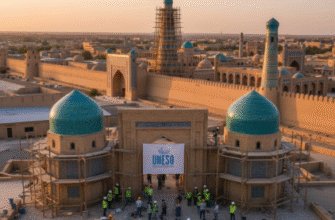
Ayaz Kala sits on Uzbekistan’s tentative UNESCO World Heritage list, which means it’s waiting for full recognition that may or may not ever come. Tourism has picked up—there’s even a yurt camp nearby now where you can spend the night, which feels both authentic and completely staged simultaneously. But the fortresses themselves remain largely unrestored, slowly eroding back into the desert that spawned them. Some preservation work happens sporadically, mostly stabilizing walls that threaten to collapse, but there’s this ongoing debate about whether to restore or just let them naturally decay. The wind carries sand across the ramparts the same way it did 1,500 years ago. Modern visitors leave footprints in ancient corridors where Sogdian merchants once negotiated deals, where soldiers scanned horizons for enemies who are now just names in fragmentary texts. Turns out permanence is relative—these walls have outlasted the empires that built them, the languages spoken within them, even the rivers that gave them purpose. Maybe that’s enough.