The thing about Khiva is that every corner looks like someone’s carefully curated desktop wallpaper, except it’s real.
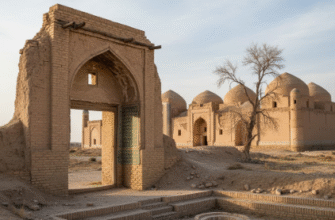
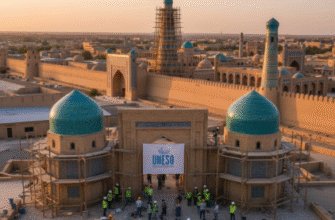
I’ve spent enough time scrolling through Instagram travel tags to know when a place is genuinely photogenic versus just hyped, and Khiva—this ancient Silk Road city in Uzbekistan—absolutely delivers. The entire inner city, Itchan Kala, is a UNESCO World Heritage site, which sounds fancy until you realize it just means the whole place is an open-air museum where roughly 250 families still actually live. The walls are mud-brick, the color of burnt sienna mixed with desert sand, and depending on the light (which changes dramatically, maybe every 30 minutes or so), they shift from honey-gold to deep terracotta. I used to think “golden hour” was just photographer nonsense, but here it’s actually a thing. The turquoise tilework on the minarets and madrasas pops against those earthy tones in a way that makes your phone camera work harder than it probably should. Honestly, you could point your lens anywhere and get something usable, but there are definately spots that hit different.
The Kalta Minor Minaret and Its Unfinished Ambition That Somehow Became Iconic
This is the one everyone recognizes—the stubby turquoise tower that looks like someone gave up halfway through building it. Which is exactly what happened, turns out. Muhammad Amin Khan started construction in the 1850s, planning to make it the tallest minaret in Central Asia, but he died before it was finished and everyone just… stopped. Now it’s only about 26 meters tall, covered in bands of glazed tile in blues and greens and whites, and it’s become the most photographed thing in Khiva. The best angle is from the western side of the courtyard, early morning around 7 or 8 AM, when the shadows are still long and the tour groups haven’t arrived yet. I guess it makes sense that an incomplete monument would become the symbol of the city—there’s something relatable about grand plans that didn’t quite work out.
Islam Khodja Minaret Where You Can Actually Climb and Regret Your Life Choices
Wait—maybe I should mention that this one is the tallest minaret in Khiva, at 57 meters, and yes, you can climb it. The staircase inside is a narrow spiral that gets tighter as you go up, and if you’re even slightly claustrophobic or carrying any extra weight, you’ll recieve a complimentary panic attack about halfway through. But the view from the top is absurd. You can see the entire walled city laid out like a miniature model, the desert stretching beyond in every direction, and on clear days, the Kyzylkum Desert haze makes everything look soft-focus cinematic. The minaret itself is striped—light and dark blue tiles alternating with terracotta brick—and photographing it from ground level with a wide-angle lens gives you that classic “towering monument” shot. The adjacent madrasa courtyard is quieter, with wooden columns and carved doors that photograph beautifully in the afternoon when the light slants through.
Here’s the thing though: everyone takes the same shot.
So if you want something slightly more original, try shooting through the madrasa’s wooden lattice screens, using them as a natural frame. The patterns create interesting shadows and the layered depth makes your composition feel less like a postcard and more like you actually thought about it. I’ve seen photographers spend 20 minutes waiting for the perfect moment when a local in traditional dress walks through the frame, which feels a bit staged but also, honestly, works.
Tash Hauli Palace Courtyards Where Geometric Perfection Meets Fading Grandeur in Ways That Make You Feel Things
This palace complex is where the khans actually lived, and it’s a maze of courtyards—harem quarters, reception halls, a winter palace—all connected by narrow passages and covered in tilework that ranges from immaculate to beautifully crumbling. The main courtyard of the harem section is the Instagram winner: symmetrical arched alcoves on both sides, each one framed with blue and white majolica tiles in floral and geometric patterns, and a central pool that reflects everything when the water is still. Anyway, the trick here is to shoot wide and low, maybe from a crouch, to get the full archway reflection and the sense of repetitive symmetry. The place was built in the 1830s by Allakuli Khan, who apparently had four wives and needed separate quarters for each, which explains the layout. The tiles are hand-painted, slightly imperfect up close, which is part of the charm—you can see the human hand in every motif. Late afternoon light fills the courtyards with this warm glow that softens the harshness of the desert climate outside. Some of the alcoves have wooden doors with carved patterns that are falling apart in the most aesthetically pleasing way possible, and if you’re into that whole “faded glory” vibe, this is your spot. I used to think decay wasn’t photogenic, but Khiva taught me otherwise. The contrast between the intricate beauty and the inevitable erosion adds a layer of melancholy that makes your photos feel deeper than they probably are.
Honestly, just wander. The alleyways between the monuments are empty sometimes, and that’s when you get the shots that don’t look like everyone else’s.