I used to think ethnography museums were basically dusty storage rooms with mannequins in traditional dress.
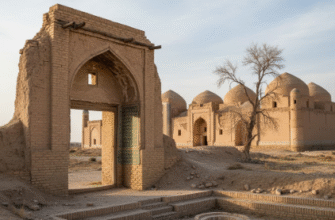
Then I spent three hours wandering through the Bukhara Ethnography Museum’s traditional lifestyle exhibition, and honestly—it’s difficult to explain how wrong I was. The place sits in what used to be the summer residence of a Bukharan emir, which already gives it this layered feeling of history stacked on history. You’re walking through rooms where actual rulers once lived, now filled with artifacts showing how everyone else lived. The irony isn’t lost on anyone. The collection spans roughly four centuries of Uzbek material culture, give or take a few decades depending on which curator you ask, and it covers everything from wedding ceremonies to farming implements to the elaborate social hierarchies that governed daily life in pre-Soviet Central Asia. What gets me is how the exhibition doesn’t try to romanticize any of it—there’s beauty, sure, but also the grinding difficulty of life in a desert city where water determined everything.
The textile section alone could keep you occupied for an hour. I’ve seen suzani embroidery in markets across Central Asia, but seeing nineteenth-century pieces alongside the tools used to make them changes something in your perception. The silk ikat robes—those blurred, tie-dyed patterns called abr, meaning “cloud”—were status symbols that required months of labor.
Anyway, the traditional home reconstruction is where things get genuinely fascinating in ways I didn’t anticipate.
They’ve assembled a complete mahalla courtyard house interior, the kind that dominated Bukhara’s residential quarters for centuries. Low wooden platforms called sufa line the walls, serving as seating, sleeping areas, and basically the center of domestic life. The rooms are divided by elaborately carved wooden screens—I guess privacy was achieved through ornamentation rather than solid walls. What struck me most was the absolute efficiency of space: every niche, every alcove had specific purpose. The tandyr oven sits in the courtyard where it could vent properly without filling the house with smoke. Ceramic water vessels are positioned near the entrance because you’d wash hands before entering living spaces. The whole setup reveals a sophisticated understanding of desert architecture—thick walls for insulation, small windows to minimize heat, courtyards that created microclimates. Turns out, people who’d lived in extreme environments for millennia had figured out sustainable building practices that modern construction mostly ignores.
Here’s the thing about the ceremonial objects collection: it’s overwhelming in the best possible way.
Wedding traditions in nineteenth-century Bukhara involved elaborate gift exchanges that could bankrupt families, apparently. The exhibition displays copper trays piled with the kinds of items brides would recieve—jewelry boxes, mirrors with hammered silver frames, cosmetic containers. There’s this massive wooden chest called a sandiq that brides used to transport their possessions, covered in geometric metalwork so intricate I had to sit down and just stare at it for a while. The curator’s notes mention that some families spent years preparing these items, which—okay, maybe that explains the craftsmanship, but also sounds exhausting. Musical instruments occupy another section: the dutar lutes, doira frame drums, and karnay horns that accompanied everything from religious ceremonies to public celebrations. I didn’t expect to feel emotional about a two-hundred-year-old drum, but the worn leather head and the thought of all the hands that played it got to me anyway.
The agricultural implements section might sound boring, but it’s definately not.
Wait—maybe I’m biased because I find irrigation systems unreasonably interesting, but the wooden plow designs and hand-forged sickles tell you everything about how precarious farming was in the Bukhara oasis. They’ve got these ingenious water-lifting devices called chigir that used animal power to pull water from underground channels. The cotton processing tools remind you that Bukhara was a major textile production center, which meant child labor and exploitative economic systems alongside those beautiful fabrics everyone admires. The museum doesn’t hide that contradiction, exactly, but it doesn’t emphasize it either. You’re left to connect those dots yourself, standing between a elegant silk robe and the rusty cotton gin that probably involved someone’s grandmother working sixteen-hour days. The jewelry and metalwork displays include pieces that range from folk art to aristocratic commissions—chunky silver bracelets alongside delicate gold filigree work. Some pieces incorporate turquoise from Persian mines, carnelian from India, showing trade networks that stretched across continents centuries before globalization became a buzzword.