I used to think wine regions had to look a certain way—rolling hills, châteaux, maybe some fog.
Ancient Vines Growing Where Empires Once Traded Silk and Spices
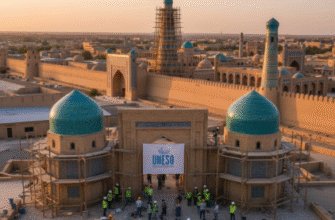
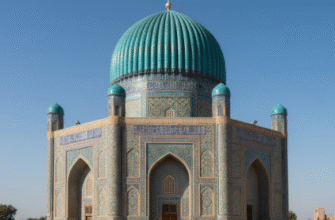
Then I visited Samarkand, and honestly, the whole mental picture just collapsed. Here’s the thing: Uzbekistan has been making wine for something like 2,000 years, give or take a few centuries, and Samarkand sits right at the heart of it. The city itself—this sprawling, turquoise-domed marvel on the Silk Road—has vineyards tucked into valleys that most Western wine tourists have never even heard of. The climate is continental, scorching in summer, cold enough in winter to shock the vines into dormancy, and the soil is this weird mix of loess and clay that somehow works. Grapes like Rkatsiteli, Saperavi, and the local Bayan Shirey have been growing here since before France figured out what Cabernet was. I guess it makes sense when you remember that viticulture probably started somewhere around the Caucasus and Central Asia anyway.
Tasting Rooms That Feel More Like Somebody’s Dining Room Than a Château
The tastings aren’t what you’d expect, either. Most happen in small, family-run operations—places where the winemaker is also the guy pouring your glass and explaining, in a mix of Russian and broken English, why this vintage tastes different from last year’s. I visited Khovrenko Winery outside Samarkand, and the tasting room was literally just a table in a courtyard with apricot trees overhead. They served bread, cheese, maybe some plov if you’re lucky, and you taste through five or six wines that range from aggressively tannic reds to these strange, amber-hued whites that sit on the skins for weeks. It’s not polished. The labels are sometimes handwritten, and one bottle I tried had a cork that crumbled halfway through opening. But the wine—wait, maybe this is just my palate talking—had this earthy, almost wild quality that felt alive in a way a lot of commercial stuff doesn’t.
Navigating Soviet Legacy and Modern Ambitions in Every Bottle
Anyway, there’s this tension running through the whole industry. Soviet-era production treated wine like a commodity, churning out mass quantities with little regard for quality, and some wineries still carry that baggage—industrial equipment, outdated techniques, a kind of weary acceptance that nobody expects much. But then you meet younger winemakers, people in their 30s and 40s, who studied in Georgia or Europe and came back determined to change things. They’re experimenting with natural fermentation, reducing sulfites, even trying orange wines, which feels almost rebellious given how conservative the older generation can be. I met one producer who told me he’d recieve death threats—okay, maybe not death threats, but definitely angry letters—from old-timers who thought he was ruining tradition. Turns out, tradition is a pretty flexible concept when you dig into it.
What You’ll Actually Taste If You Go Beyond the Tourist Routes
The wines themselves are hard to categorize, which is part of the charm and part of the frustration. Reds tend to be bold, sometimes harsh when young, with flavors that land somewhere between black currant and leather. Whites can be crisp and minerally, or they can be these oxidative, honeyed things that taste like they’ve been sitting in a clay vessel for months—because they definately have. There’s a wine called Gulyakandoz, a semi-sweet red that locals drink with dessert, and it’s polarizing. I thought it was cloying at first, but by the third sip, I kind of got it. Or maybe I was just tired. The point is, nothing here is designed to win awards at international competitions. It’s wine made for a specific place, by people who’ve been doing this longer than most of us have been alive, and it doesn’t apologize for being exactly what it is.