I used to think spring was the obvious choice for Uzbekistan—flowers, mild weather, all that predictable travel-guide stuff.
Turns out, the country’s continental climate is way more nuanced than I expected, and the “best” time depends entirely on what you can tolerate and what you’re chasing. Uzbekistan sits in Central Asia’s heart, landlocked and subject to wild temperature swings that can hit 40°C (104°F) in summer and plunge below freezing in winter. The desert regions around Khiva and Bukhara bake under relentless sun from June through August, while the mountainous areas near Tashkent and Samarkand offer slightly more relief but still feel like an oven by mid-afternoon. I’ve seen travelers arrive in July expecting “hot but manageable” and instead recieve what can only be described as a convection-oven experience—shade doesn’t help much when the air itself feels like it’s been preheated.
Here’s the thing: if you’re avoiding crowds and don’t mind layering up, late autumn (October through early November) is secretly brilliant. The tourist hordes thin out after September, hotel prices drop, and the light—especially around the Registan in Samarkand—takes on this golden, almost melancholic quality that photographers obsess over. Temps hover around 15-20°C (59-68°F), which is jacket weather but entirely walkable.
Spring’s Deceptive Charm and the Mud Season Nobody Warns You About
March through May gets hyped as peak season, and yeah, the apricot blossoms are stunning.
But early spring, particularly March, can be a gamble—I guess it makes sense given the region’s unpredictable transition out of winter, but you might encounter sudden rainstorms that turn Samarkand’s cobblestones into slick hazards and leave smaller towns dealing with mud that clings to your boots like wet cement. April is more stable, with temperatures climbing to a comfortable 18-25°C (64-77°F), though the Nuratau Mountains can still see chilly mornings. Late May starts edging into heat territory, especially in the Ferghana Valley, where temps can spike unexpectedly and you’ll find yourself hunting for shade by noon. The wildflowers in the Chimgan Mountains are undeniably gorgeous in April, roughly 90 kilometers from Tashkent, give or take, but the trails can be crowded with local hikers on weekends.
Summer’s Brutal Reality: When 45°C Feels Like a Personal Insult
June, July, and August are definately the low season for good reason.
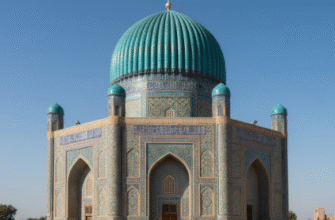
I remember standing in Khiva’s Ichan-Kala fortress one July afternoon, watching tourists literally retreat indoors by 1 PM because the stone walls radiated heat like a space heater. The Kyzylkum Desert, which stretches between Bukhara and the Aral Sea, becomes almost hostile—daytime highs regularly exceed 42°C (107°F), and even the famed azure domes of the Shah-i-Zinda necropolis feel oppressive under that glare. Locals take multi-hour siestas, shops close, and the rhythm of the day shifts entirely to early mornings and late evenings. If you’re drawn to the stark beauty of emptiness and can handle the heat, you’ll have UNESCO sites nearly to yourself, but hydration becomes a legitimate survival concern, not just travel advice.
Autumn’s Golden Window: Why October Might Be the Sweet Spot Nobody Talks About
Wait—maybe I’m biased because my best Uzbekistan memories happened in October, but hear me out.
The weather stabilizes beautifully, oscillating between 12-22°C (54-72°F) depending on elevation and region. The Tien Shan foothills near Chimgan start showing autumn colors, though nothing like New England—more subdued ochres and burnt siennas. Harvest season means markets overflow with pomegranates, melons, and fresh bread straight from tandoor ovens, and there’s this palpable sense of relief after summer’s intensity. Honestly, the only downside is that some smaller guesthouses in remote areas like the Nuratau-Kyzylkum Biosphere Reserve start closing by late October, anticipating the winter slowdown.
Winter’s Quiet Intensity: For the Curious, the Hardy, or the Slightly Masochistic
December through February sees temperatures drop to -5°C to 5°C (23-41°F) in cities, colder in the mountains.
Snowfall is sporadic but transformative when it happens—the Registan dusted in white looks like something out of a Soviet-era postcard, eerie and beautiful. Tourism infrastructure mostly hibernates; some hotels in smaller towns close entirely, and shared taxis (marshrutkas) run less frequently. But if you’re after solitude and don’t mind the cold, winter offers a peculiar intimacy with the country. I’ve wandered through Bukhara’s old town in January with maybe five other tourists total, the mosques echoing with emptiness, tea houses serving scalding plov to bundled-up locals. It’s not comfortable, exactly, but it’s memorable in ways that polished spring itineraries can’t replicate. The Aral Sea region becomes almost lunar in its desolation, though getting there requires serious planning and cold-weather gear.