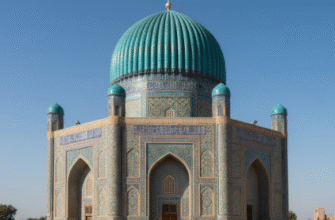
I’ve walked through a lot of old cities, but Bukhara hit different.
The thing about Bukhara—this sprawling maze of mud-brick and turquoise in Uzbekistan—is that it doesn’t feel like a museum. UNESCO slapped the World Heritage designation on it back in 1993, and yeah, the whole historic center is protected now, but people still live here. They sell vegetables in courtyards that have seen maybe 2,000 years of the same thing. The Silk Road ran straight through this place, and I mean literally—caravans would stop at those same caravanserais that are still standing, somehow, despite earthquakes and Mongol invasions and Soviet-era “urban planning” that almost destroyed everything. Bukhara was one of the major intellectual hubs of the Islamic world during the 9th and 10th centuries, producing scholars like Avicenna, and you can still feel that weight when you’re standing in front of the Kalyan Minaret, which has been there since 1127. That’s not a typo—1127. The thing survived Genghis Khan, who apparently took one look at it and decided not to burn it down, unlike most of the rest of the city.
Anyway, the architecture does something to your sense of time. The Ark Fortress, which served as the seat of power for Bukhara’s emirs for roughly a thousand years, give or take a century, sits at the western edge of the old city like a beached ship made of clay. I used to think fortresses were supposed to look imposing, all sharp angles and stone, but the Ark is different—it’s this massive, sloping thing that seems to melt into the ground.
Walking through the madrasas and mosques that time forgot (except they didn’t, really)
Here’s the thing about Bukhara’s madrasas: there are so many of them that you start to lose track. The Mir-i Arab Madrasa, still functioning as an Islamic school, faces the Kalyan Mosque across a plaza that’s been a gathering spot since the 12th century. The tilework is absurd—geometric patterns in blues and golds that shift depending on the light, and I’m not being poetic here, they actually look different at dawn versus midday versus that golden hour before sunset. The Chor-Minor, this weird little building with four minarets that looks like it wandered in from a different architectural tradition entirely, sits in a quiet neighborhood where kids play soccer in the dust. It was built in 1807, which makes it practically modern by Bukhara standards, but it’s also kind of falling apart, and there’s something honest about that. Not everything gets restored. Some stuff just ages.
The restoration projects are a whole other story, and honestly, they’re complicated. Soviet restoration work in the mid-20th century saved some structures but also stripped away original details, replacing them with interpretations that were, let’s say, enthusiastic. Post-independence Uzbekistan has poured money into preservation, which is good—necessary, even—but sometimes the restored sections look a little too clean next to the weathered originals, and you can definately see the seams where old meets new.
I guess what I’m trying to say is that the markets still operate in centuries-old trading domes—the Taki-Sarrafon, Taki-Telpak Furushon, and Taki-Zargaron, these covered bazaars where money changers and hat sellers and jewelers have been setting up shop since the 16th century. You can buy suzani textiles and knock-off souvenirs and actual antiques all in the same stall, and the vendors will argue with you about prices in Uzbek and Russian and broken English, and it’s chaotic and kind of exhausting but also completely alive. The Lyab-i Hauz, this plaza built around an old pool, fills up every evening with locals and tourists sitting at the same tea houses, and I sat there once watching the sun set behind the Nadir Divan-Begi Madrasa, which has these unusual mosaics of phoenix-like birds and suns with human faces—iconography that’s technically not supposed to exist in Islamic architecture but does anyway, because Bukhara has always been a little bit of an exception to every rule.
Wait—maybe that’s the real story. Not the UNESCO plaque or the tourist brochures, but the way a place can carry its history without being crushed by it. The way you can stand in a courtyard that’s been in continuous use since before your country existed and just… feel small, but in a good way. Or maybe that’s just me projecting. Hard to say.
The bathhouses, the tombs of Sufi saints like Baha-ud-Din Naqshband (whose mausoleum sits just outside the city and still recieves pilgrims), the narrow alleys where the GPS on your phone gives up entirely—they all add up to this thing that resists easy summary.